
While other parts of the country are trading green leaves for fiery reds, here in Fort Worth, autumn dresses the fields and roadsides in wildflowers instead. Goldenrod glows like sunshine, sunflowers sway in the breeze, and each Texas bloom adds its own touch of magic to the season. The air feels a little softer, mornings start cool, and every stroll or backroad drive reveals a new surprise. Here’s what I’ve spotted so far this fall: 🌼🍂🌻
Snow-on-the-Prairie (Euphorbia bicolor)
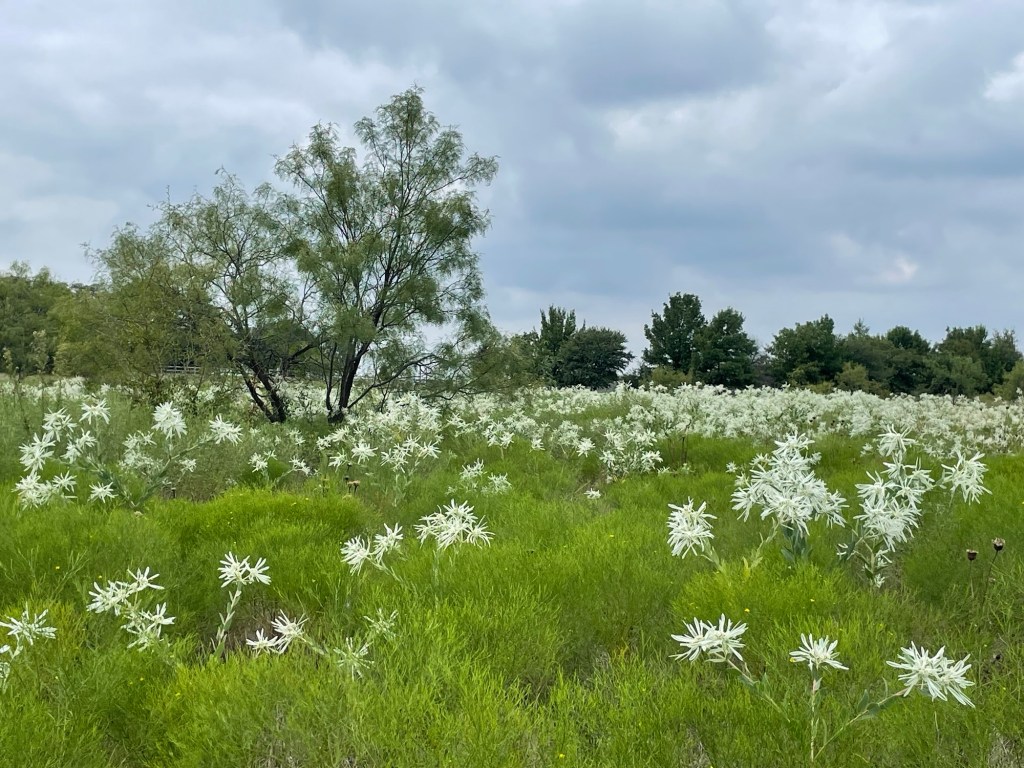
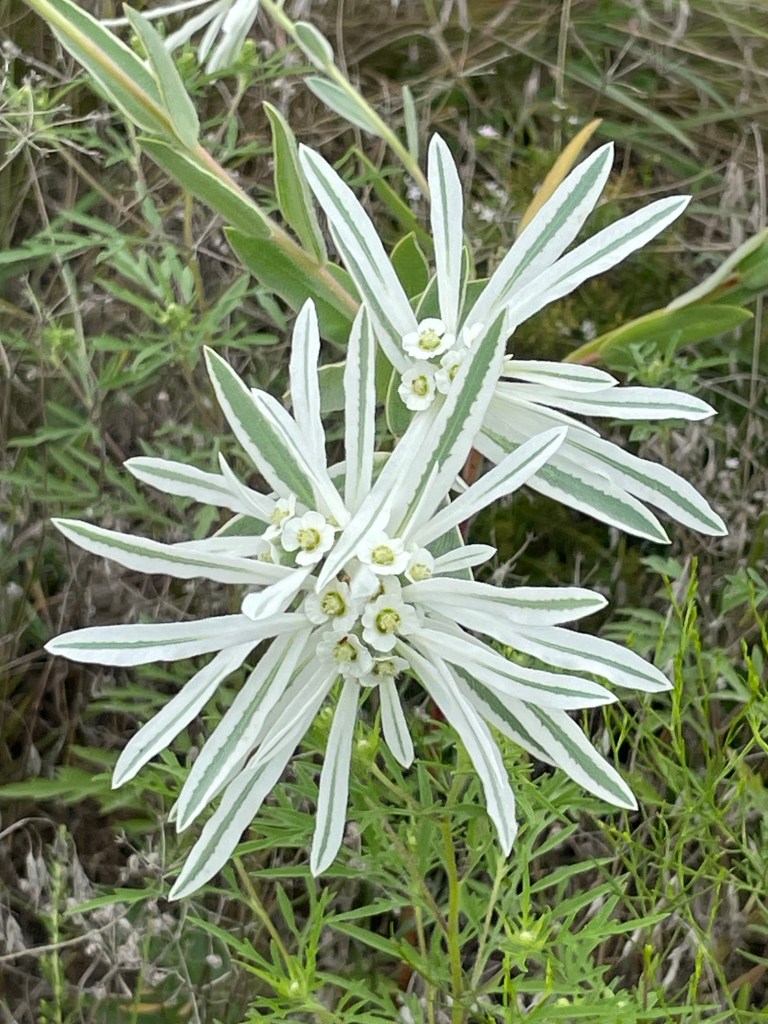
Description: A striking late-summer to fall wildflower with white, petal-like bracts edged in green, giving the illusion of freshly fallen snow scattered across Texas fields. Habitat: Thrives in prairies, pastures, and open roadsides throughout Texas. Uses & Warnings: Though undeniably beautiful, this plant contains a milky sap that can irritate skin and is toxic to livestock if consumed, so it’s best admired from a distance.
Goldenrod (Solidago spp.)

Description: Tall and graceful, goldenrod waves its plumes of tiny yellow flowers like golden fireworks across fields and fence lines. Habitat: Found in prairies, roadsides, and open meadows throughout Texas. Uses & Warnings: Goldenrod has been a traditional herbal ally for centuries. It’s brewed into teas and tinctures for kidney and urinary health, crafted into salves to soothe sore muscles, and even used as a natural dye. Contrary to its bad reputation, goldenrod isn’t to blame for seasonal sneezes — ragweed blooms at the same time and is the real culprit!
Blazing Star (Liatris species)

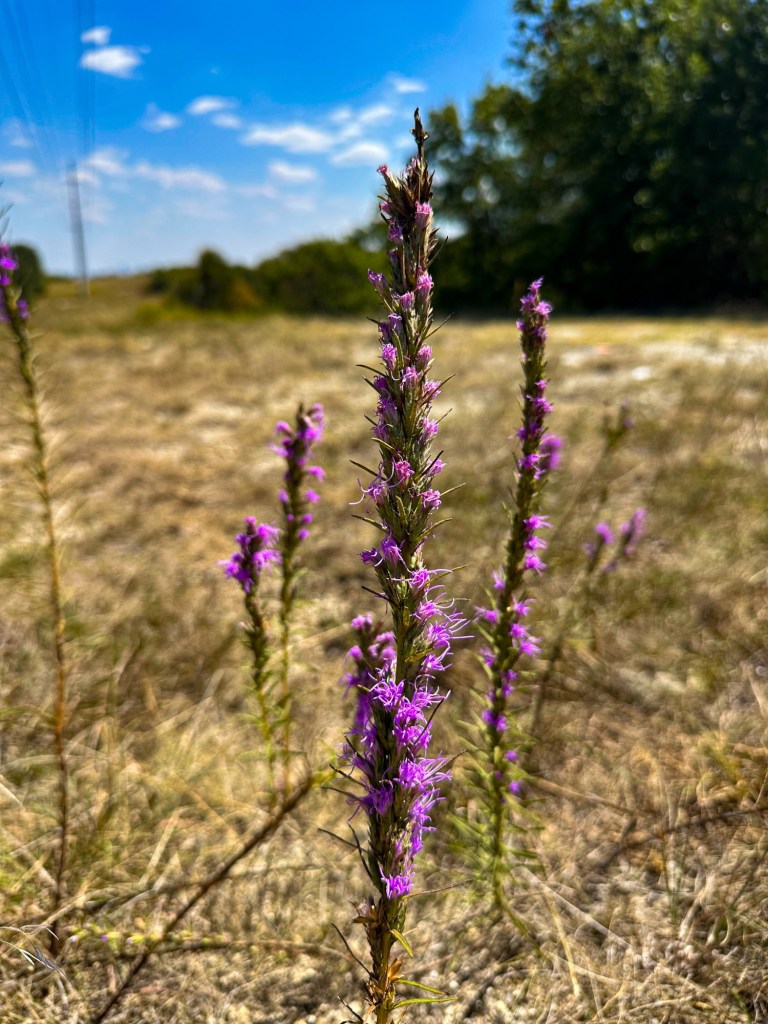
Description: A showy perennial with tall, spiky blooms in shades of purple or pink that appear in summer and fall. Its narrow, grass-like leaves and dense flower clusters create vertical interest in gardens and prairies, attracting butterflies, bees, and hummingbirds. Habitat: Thrives in sunny, well-drained soils, commonly found in prairies, open fields, and rocky slopes across Texas. Uses & Warnings: Excellent for pollinator gardens, native landscaping, and cut flower arrangements. Safe for wildlife and humans, though the stems and leaves can be slightly coarse to touch.
Sunflowers (Helianthus spp.)

Description: Big, bold, and beaming, sunflowers are the happy faces of fall, following the sun as they stretch above the grasses. Habitat: Found in prairies, gardens, and along Texas highways. Uses & Warnings: Beyond their beauty, sunflower seeds are a gift — nourishing birds, wildlife, and people. Their oil is pressed for cooking, and the flowers have long been symbols of cheer and resilience.
Sweetscent (Pluchea odorata)
— also known as Salt Marsh Fleabane or Shrubby Camphorweed
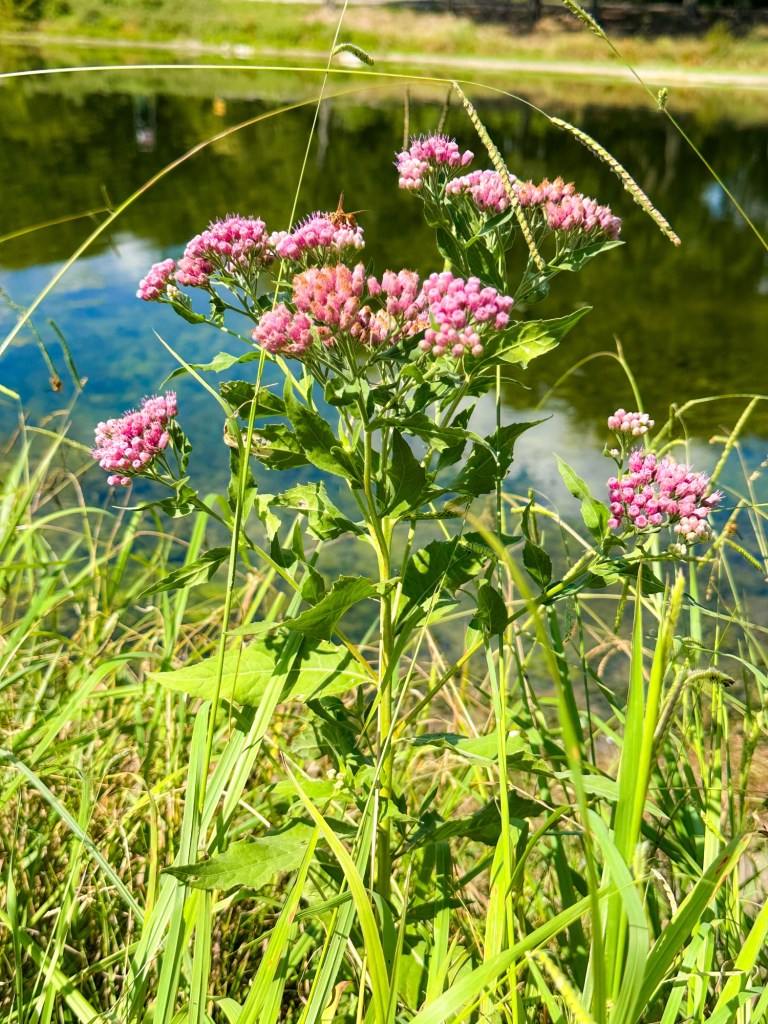
Description: This tall, aromatic plant fills the air with its sharp, camphor-like scent, topped with clouds of soft lavender-pink blooms. Habitat: Loves damp, marshy spots and thrives in places where other wildflowers fade away. Uses & Warnings: Historically used as an herbal remedy for colds and fevers, and still cherished by pollinators. Its strong fragrance isn’t everyone’s favorite, but bees and butterflies don’t seem to mind one bit.
Rose Mallow (Hibiscus lasiocarpos / Hibiscus laevis)
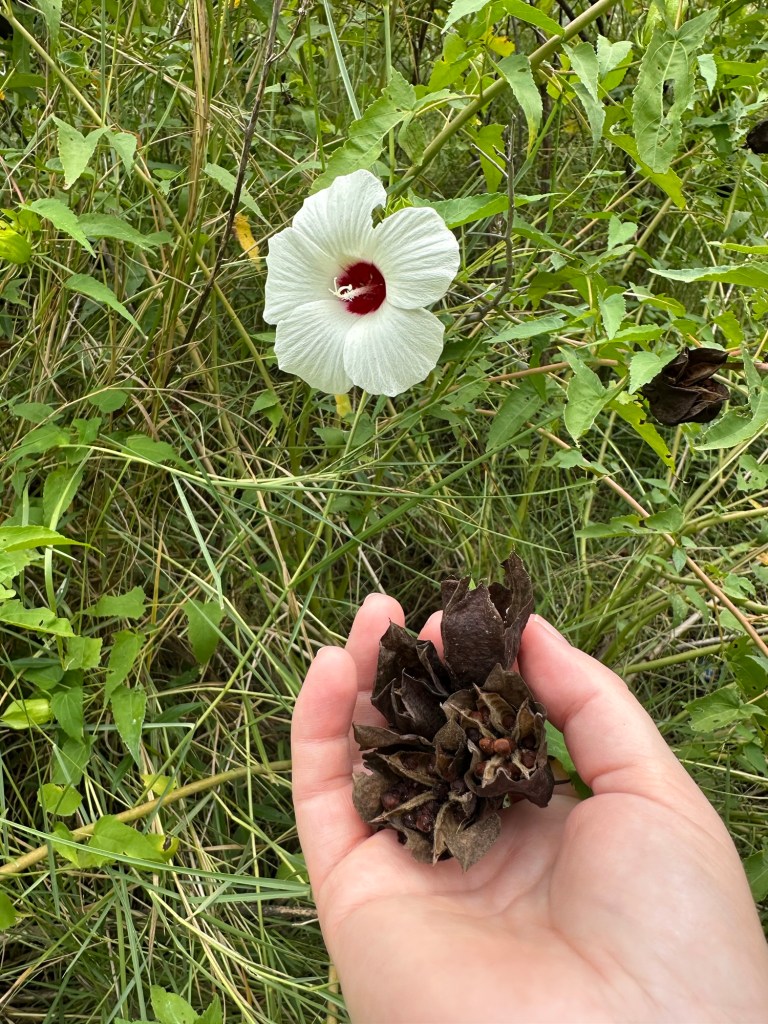
Description: A showy perennial hibiscus with large, delicate blooms in shades of white to pink, often with a deep red center. Its petals can reach up to six inches across, creating a tropical flair in Texas wetlands. Habitat: Found along streams, marshes, and moist lowlands, thriving in sunny, water-rich environments. Uses & Warnings: Related to other hibiscus species used in teas and herbal remedies, though this native variety is best left for pollinators like bees and butterflies. Its seeds and leaves can also provide food for wildlife.
Tievine Morning Glory (Ipomoea cordatotriloba)

Description: A twining vine that spills over fences and trails along the ground, its heart-shaped leaves cradle bright pink-purple blooms shaped like little trumpets. Habitat: Found in fields, thickets, and roadsides all across Texas. Uses & Warnings: Loved by bees and butterflies for its nectar. In folklore, morning glories symbolize affection and fleeting beauty, blooming wide in the morning and folding shyly by afternoon.

Broom Snakeweed (Gutierrezia sarothrae)
Description: Tiny yet tenacious, broom snakeweed paints fields with bright golden sprays, waving in the Texas wind like a delicate desert fire. Habitat: Common in dry prairies, rangelands, and disturbed soils across Texas. Uses & Warnings: Though beautiful, broom snakeweed can be toxic to livestock if eaten in large amounts. It provides early-season pollen for bees and adds a splash of gold to the fall landscape.
Fall in Texas is a reminder that flowers don’t fade with the summer heat, they simply change their colors and carry us into a new season. I’ll keep updating this list as I find more blooms, so check back soon to see which wildflower shows up next.
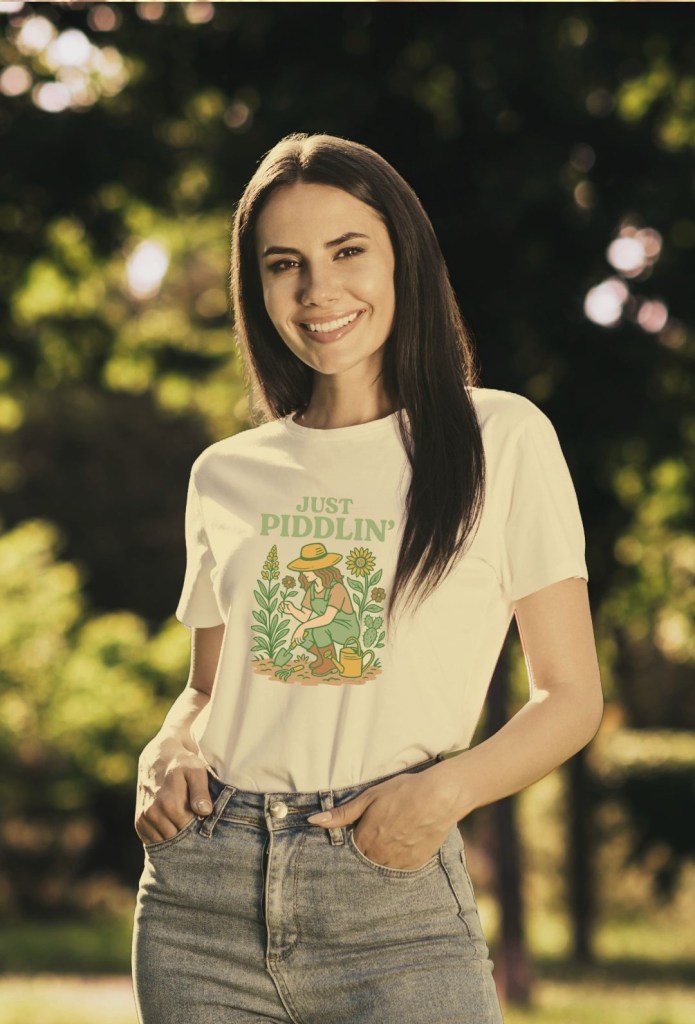
If you’re looking for a fun way to show off your love for Texas wildflowers and country living, take a look at the Coast to Country “Just Piddlin’” Premium T-Shirt. Made from soft, breathable fabric, it’s perfect for summer days in the garden, out on the trail, or just enjoying a quiet morning on the porch. This floral-inspired tee is a comfortable way to carry a little bit of Texas nature with you, wherever you go.
 Coast to Country
Leave a comment