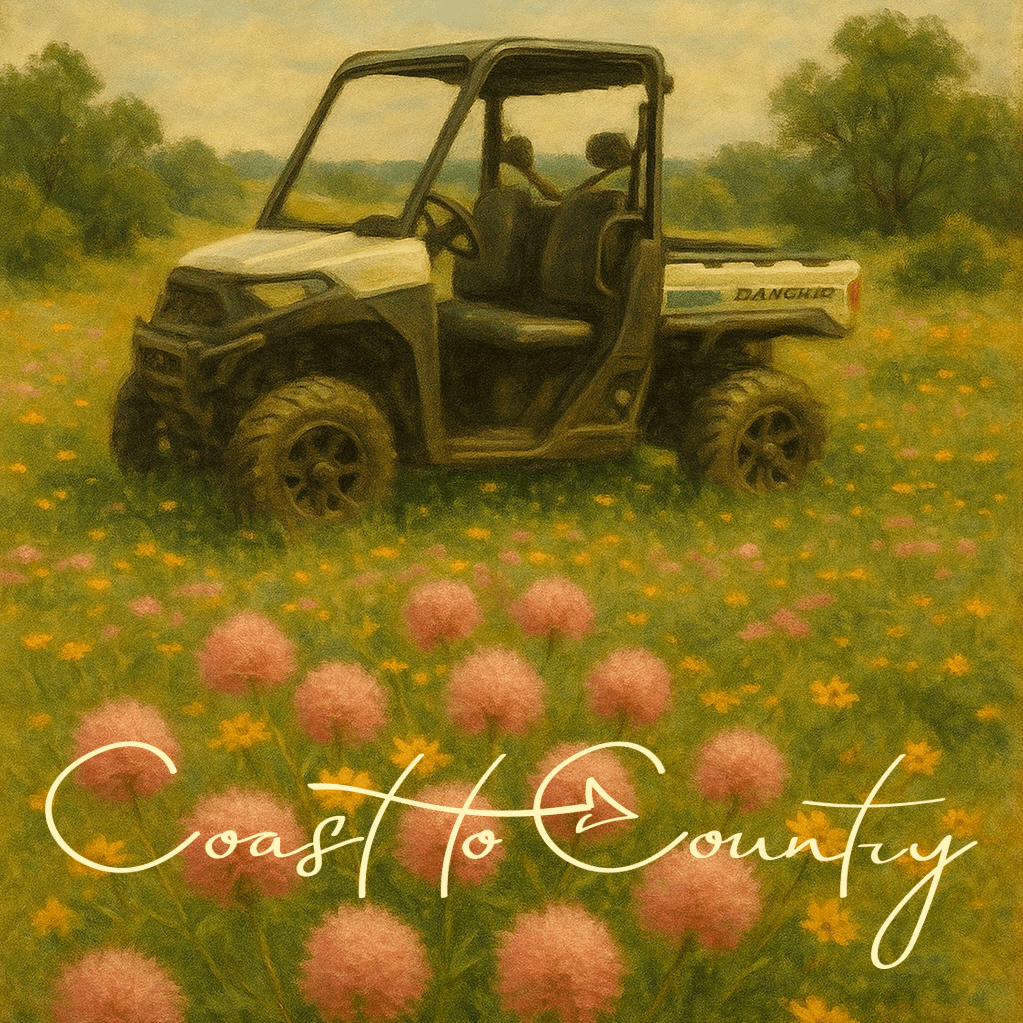
May has arrived in Fort Worth, and with it, a whole new wave of wildflowers are popping up around the neighborhood! Thanks to the spring rains — and the help of my son’s new Ranger — I’ve been able to zip around and spot even more blooms bursting with color and character.
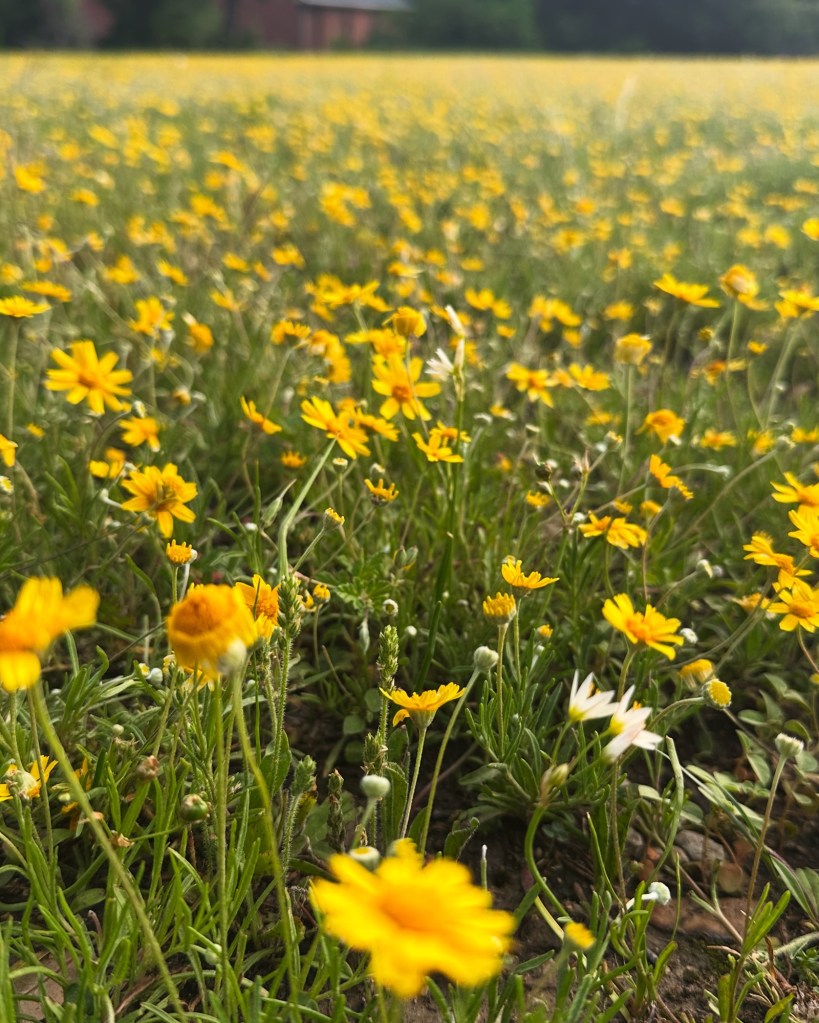
This month’s blog will showcase all the new wildflowers I’ve discovered so far, along with their identification, interesting facts, and any special uses or cautions. Every ride around the neighborhood brings something new to see, and I can’t wait to share these natural treasures with you.
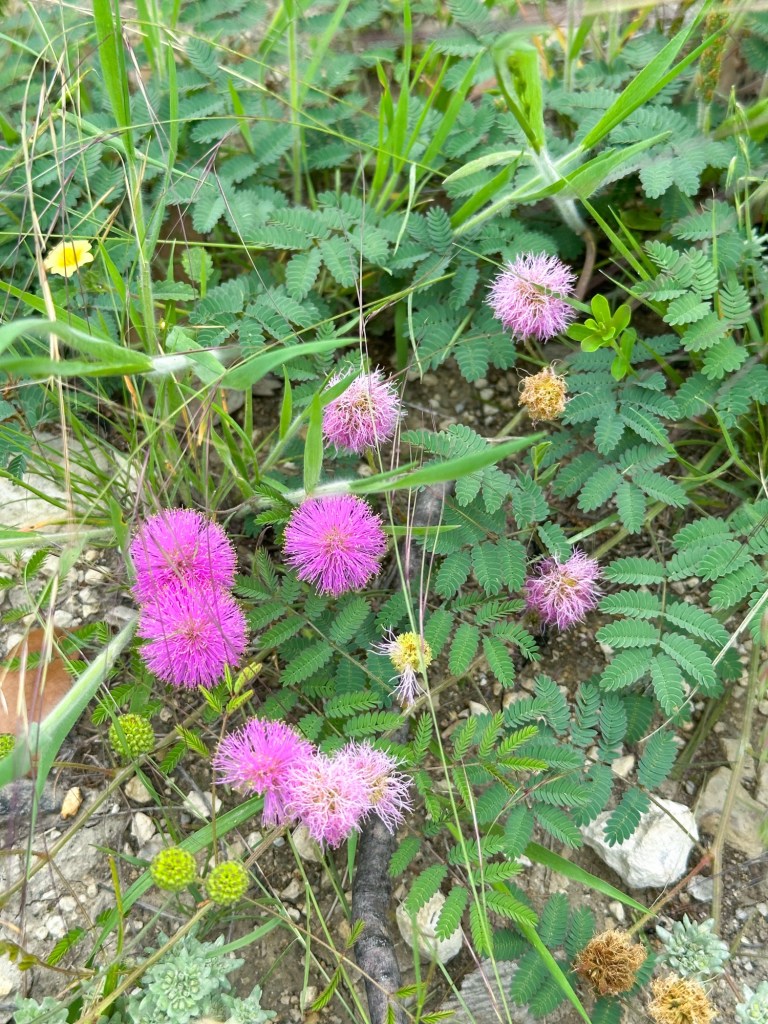
Powderpuff Mimosa (Mimosa strigillosa)
• Description: A low-growing groundcover with soft, ferny leaves that respond to touch and showy pink powderpuff blooms.
• Habitat: Native to Texas and the southeastern U.S., thriving in sunny lawns, fields, and along roadsides.
• Uses & Warnings: Popular for erosion control and pollinator gardens. It’s mostly thornless but may spread aggressively in ideal conditions.
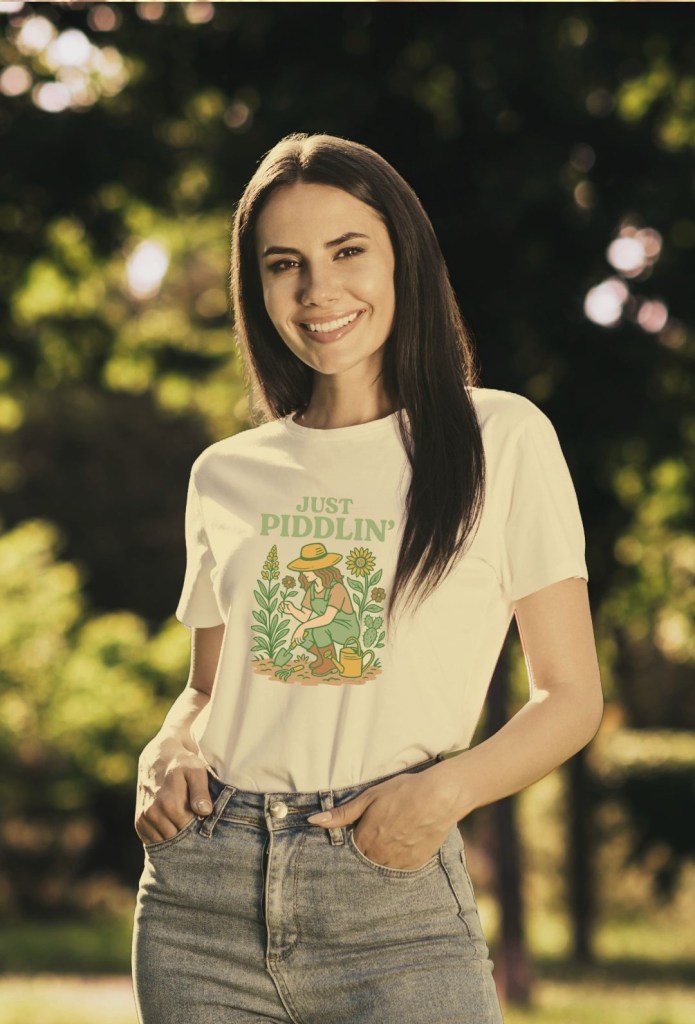
If you’re looking for a fun way to show off your love for Texas wildflowers and country living, take a look at the Coast to Country “Just Piddlin’” Premium T-Shirt. Made from soft, breathable fabric, it’s perfect for summer days in the garden, out on the trail, or just enjoying a quiet morning on the porch. This floral-inspired tee is a comfortable way to carry a little bit of Texas nature with you, wherever you go.
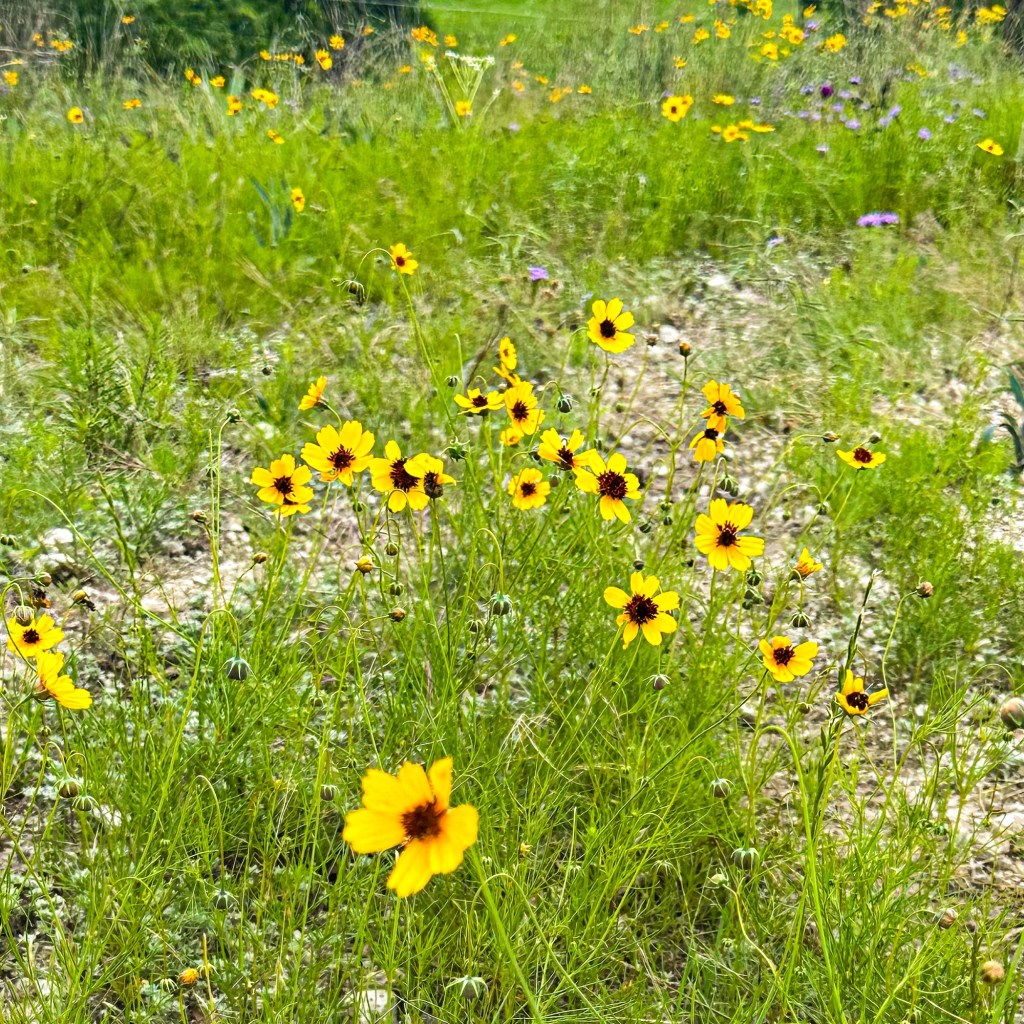
Stiff Greenthread (Thelesperma filifolium)
• Description: A hardy perennial with narrow, thread-like leaves and bright yellow daisy-like flowers that bloom from spring to summer. It has a bushy, upright form and can grow 1-2 feet tall.
• Habitat: Native to Texas and the southwestern U.S., it thrives in well-drained soils, full sun, and dry conditions, making it perfect for xeriscaping and naturalized landscapes.
• Uses & Warnings: Excellent for attracting pollinators like bees and butterflies. It is drought-tolerant and low-maintenance, ideal for rock gardens and wildflower meadows. While generally low maintenance, it can be short-lived in moist or overly fertile soils.
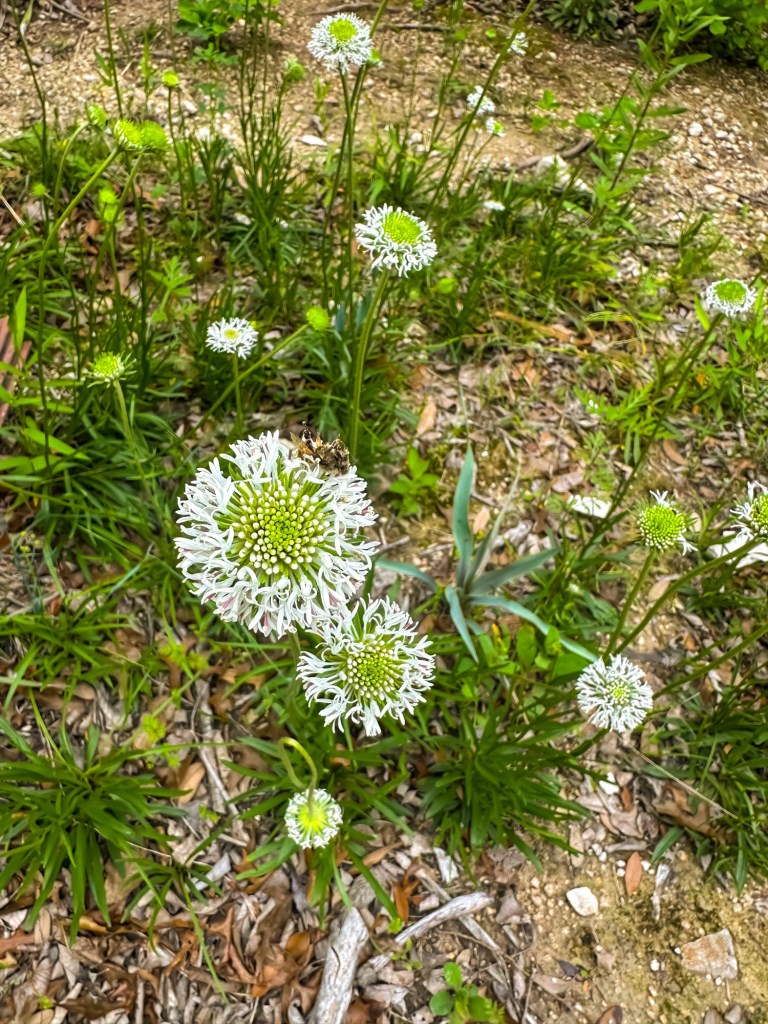
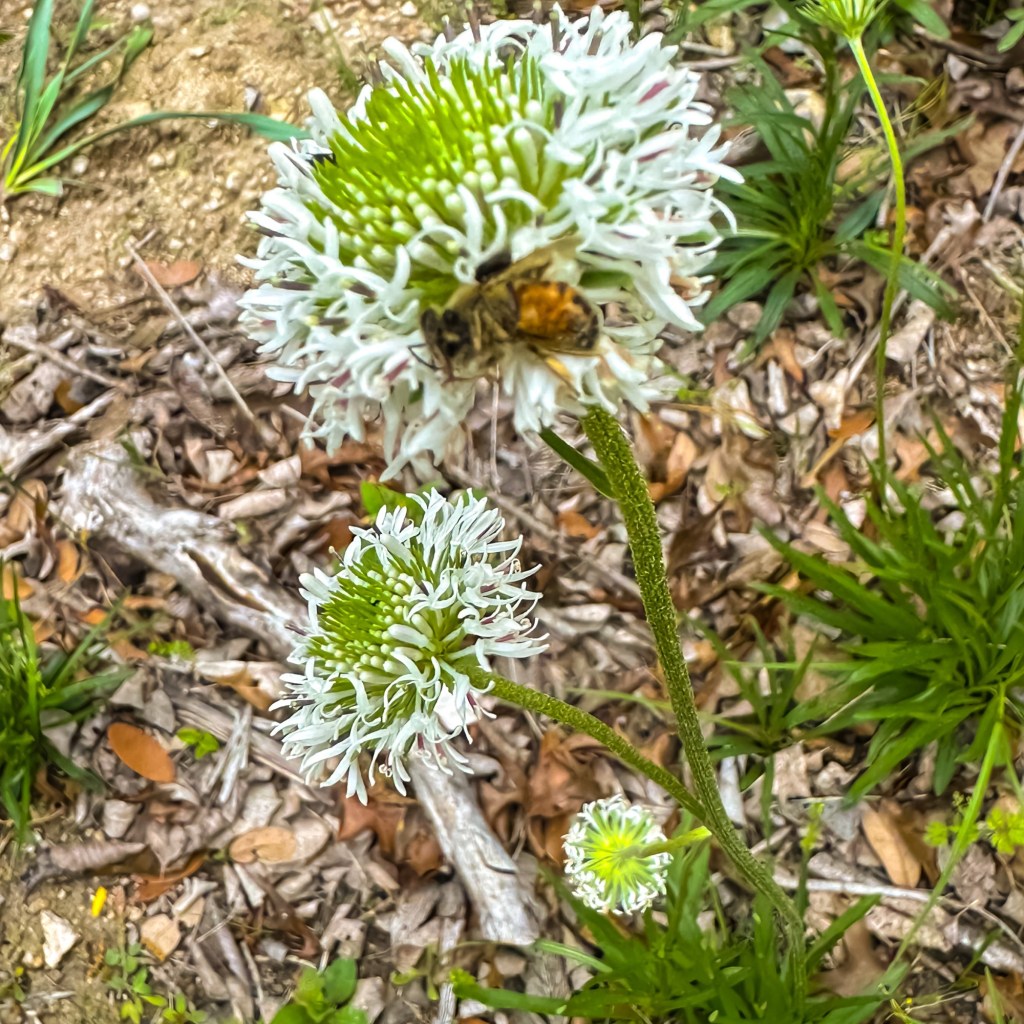
Barbara’s Buttons (Marshallia caespitosa)
• Description: A delicate perennial with globe-shaped clusters of tiny, fringed white to pale pink flowers atop slender stems. Blooms appear from late spring into early summer, giving a soft, airy look to gardens and fields.
• Habitat: Native to the south-central U.S., including Texas, Barbara’s Buttons prefer well-drained soils in open woods, prairies, and rocky slopes, thriving in full sun to partial shade.
• Uses & Warnings: Ideal for wildflower gardens and naturalized landscapes, especially for attracting bees and butterflies. It is drought-tolerant once established but may struggle in heavy, waterlogged soils.
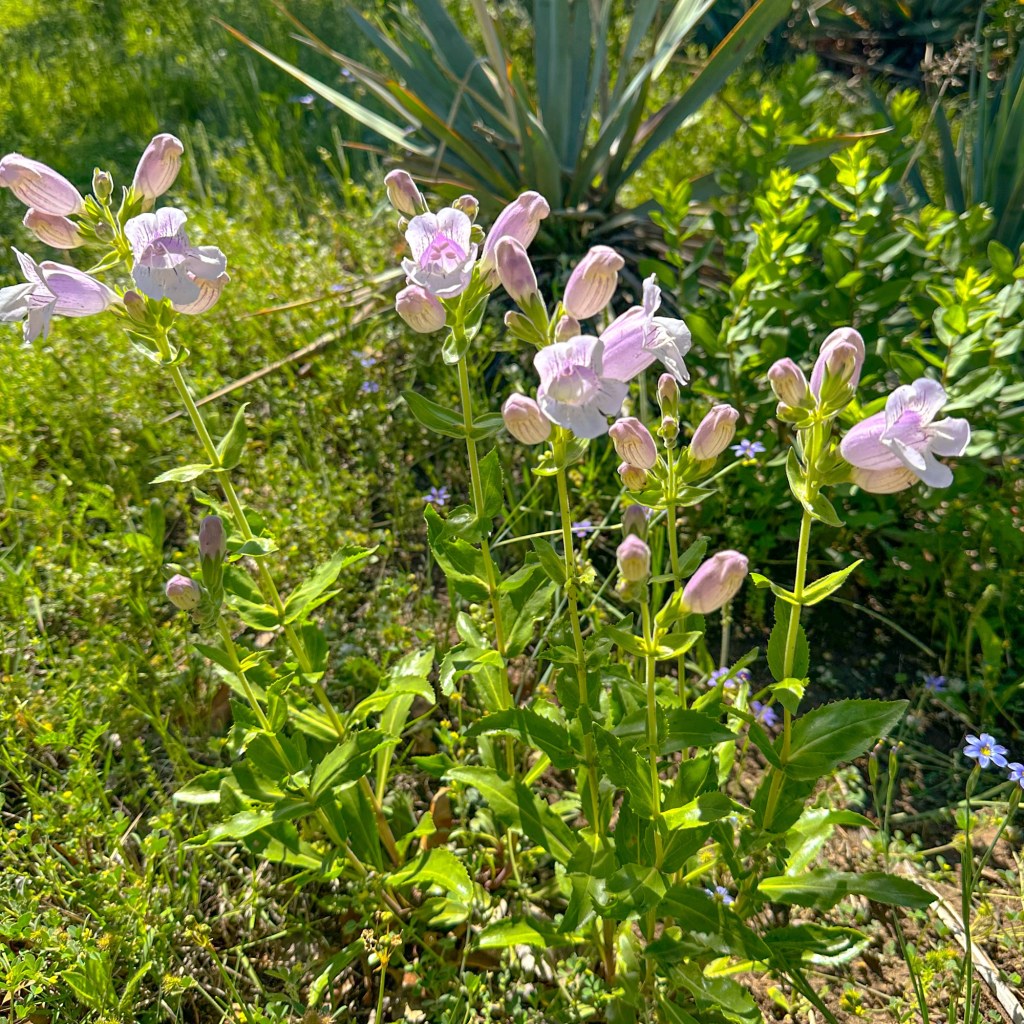
Prairie Beardtongue (Penstemon cobaea)
• Description: A striking perennial with tall spikes of tubular, pink to lavender flowers that bloom in late spring to early summer. The flowers attract hummingbirds, and the plant can grow 2-3 feet tall with lance-shaped leaves.
• Habitat: Native to the central U.S., especially Texas, this plant thrives in well-drained soils, full sun, and dry to medium moisture levels. It’s often found in prairies, open fields, and rocky slopes.
• Uses & Warnings: Great for pollinator gardens, adding vertical interest and color. Its drought tolerance makes it ideal for xeriscaping. While not invasive, it can be short-lived if planted in overly fertile soil or with too much shade.

Engelmann’s Daisies (Engelmannia peristenia)
• Description: A vibrant, drought-tolerant perennial that produces cheerful, bright yellow daisies with long, narrow petals and a prominent yellow center. The plant typically grows 1-2 feet tall and blooms in late spring to early summer.
• Habitat: Native to Texas and surrounding regions, Engelmann’s daisies thrive in well-drained, rocky soils, full sun, and dry conditions. They are commonly found in prairies, grasslands, and open woodlands.
• Uses & Warnings: Perfect for adding color to wildflower meadows, pollinator gardens, or xeriscapes. It attracts bees and butterflies but requires little care once established. While drought-tolerant, it may not perform well in overly rich soils.
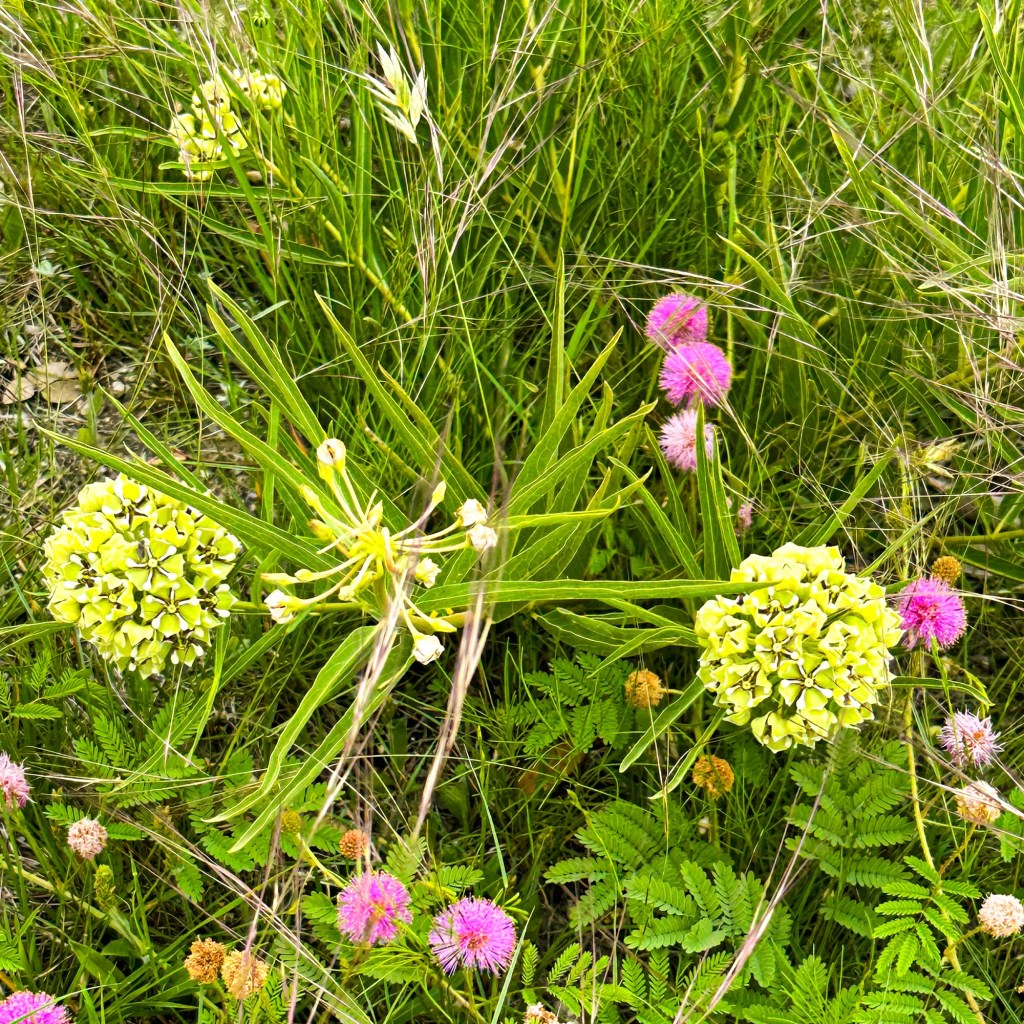
Antelope Horns (Asclepias asperula)
• Description: A unique perennial milkweed with sprawling stems, narrow leaves, and distinctive greenish-white flower clusters that resemble antelope horns. Blooms appear from spring to early summer.
• Habitat: Native to Texas and much of the southwestern U.S., it thrives in dry prairies, open fields, and along roadsides, preferring full sun and well-drained soils.
• Uses & Warnings: Essential for monarch butterfly conservation as a host plant for caterpillars and a nectar source for pollinators. Like other milkweeds, its milky sap can be toxic if ingested, so caution is advised around pets and livestock.
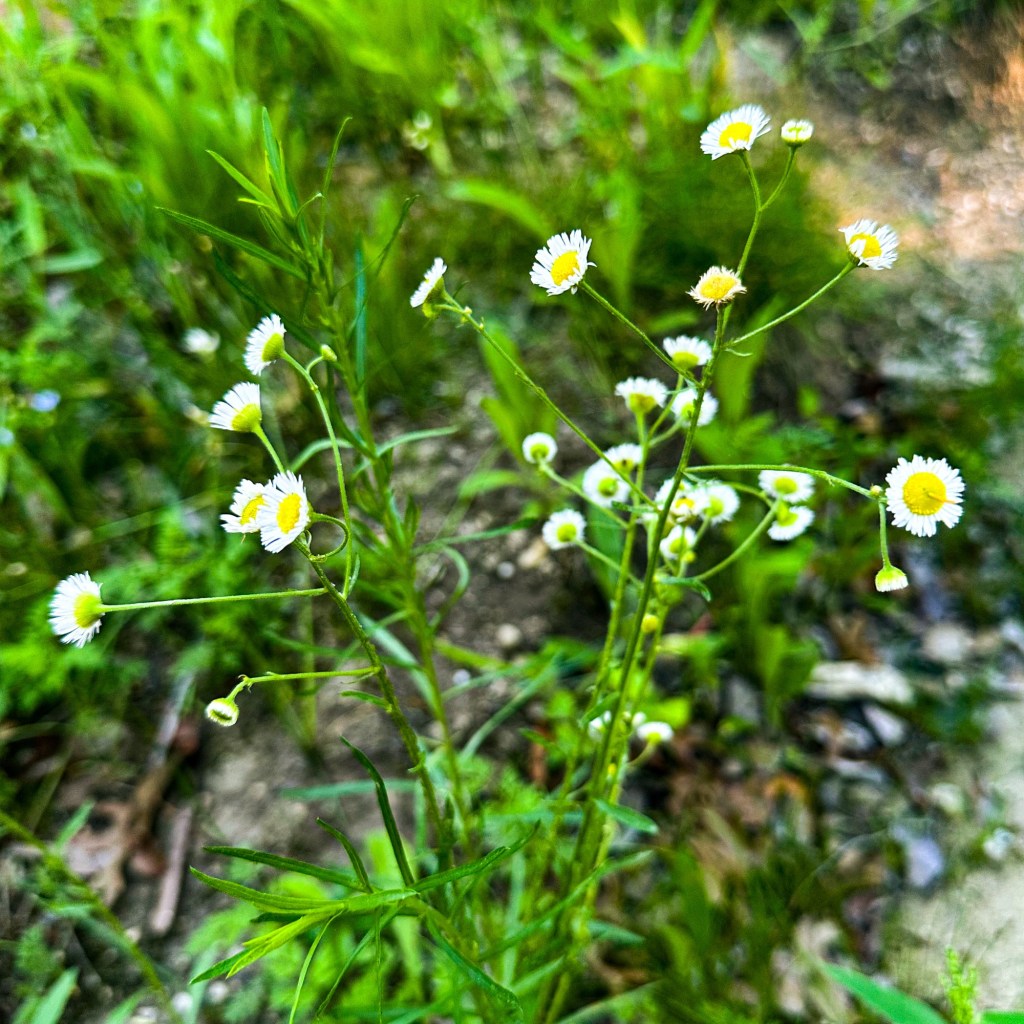
Fleabane (Erigeron spp.)
• Description: A charming wildflower with small, daisy-like blooms featuring white to pale pink or purple petals surrounding a yellow center. Plants are typically low to medium in height and have a delicate, airy appearance.
• Habitat: Native to much of North America, including Texas, fleabane thrives in sunny fields, roadsides, and disturbed areas, preferring well-drained soils.
• Uses & Warnings: Great for naturalizing meadows and supporting pollinators like bees and butterflies. Historically believed to repel fleas (hence the name), though there’s little modern evidence. It can reseed easily and may spread in ideal conditions.

Purple Poppy-Mallow (Callirhoe involucrata)
• Description: A sprawling, low-growing perennial with vivid magenta to purple, cup-shaped flowers that resemble poppies. Its trailing stems and lobed leaves make it a showy groundcover from spring into early summer.
• Habitat: Native to Texas and much of the central U.S., it thrives in dry, well-drained soils and full sun, often found along roadsides, prairies, and open fields.
• Uses & Warnings: A favorite for native gardens, rock gardens, and erosion control on sunny slopes. It attracts bees and butterflies and tolerates drought well. While non-toxic, it can spread widely if conditions are ideal.
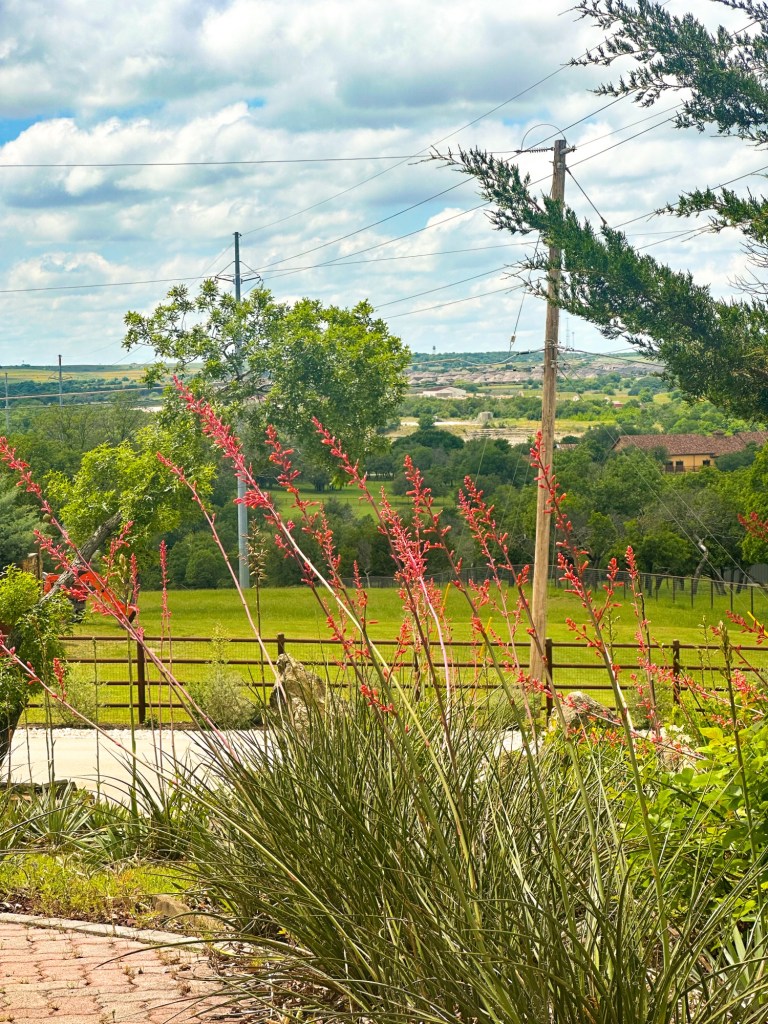
Red Yucca (Hesperaloe parviflora)
• Description: Despite its name, Red Yucca isn’t a true yucca but a tough, clumping succulent with arching, grass-like leaves and tall flower spikes bearing tubular red to coral-pink blooms from late spring through summer.
• Habitat: Native to West Texas and northeastern Mexico, it thrives in hot, dry environments with full sun and well-drained soils—ideal for desert landscapes, xeriscaping, and tough urban settings.
• Uses & Warnings: A favorite for water-wise gardens and pollinator habitats, especially loved by hummingbirds. Extremely drought- and heat-tolerant, but avoid overwatering and ensure good drainage to prevent root rot.
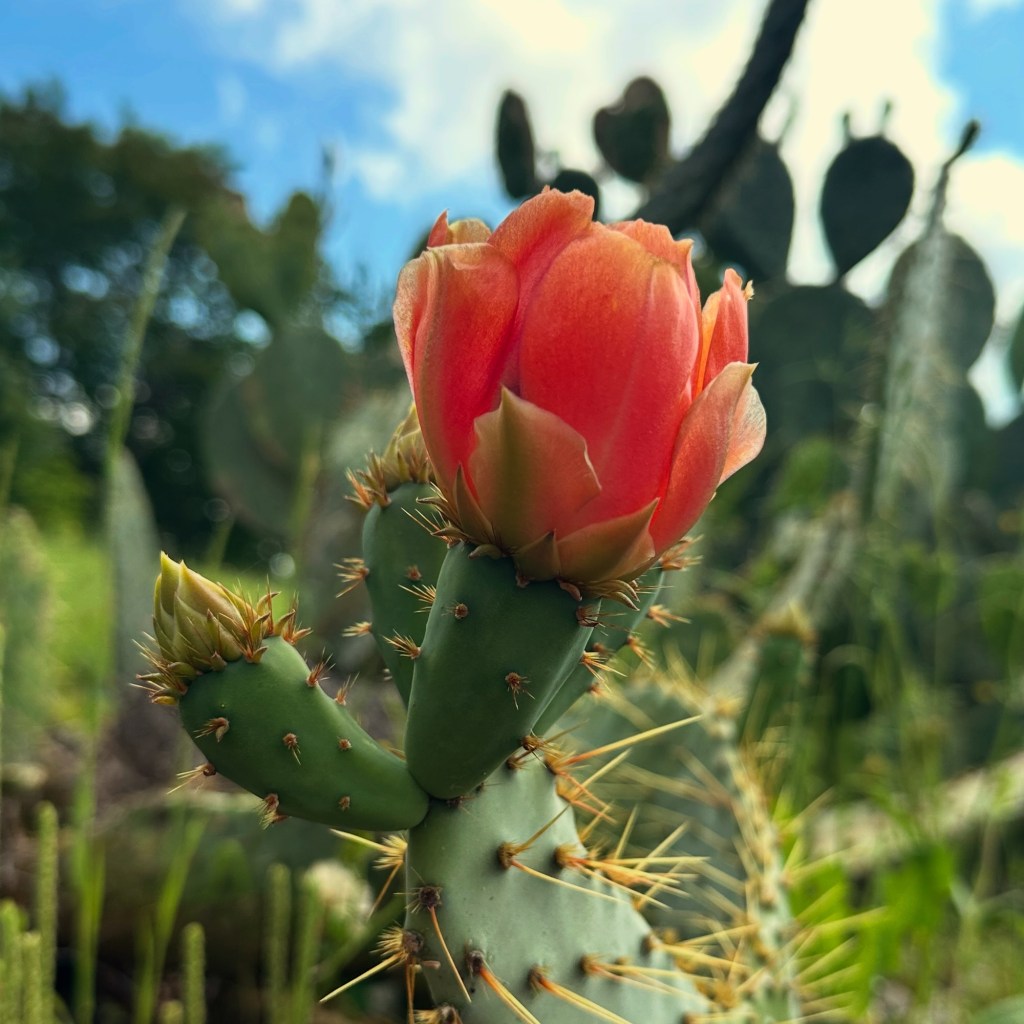
Cow’s Tongue Cactus (Opuntia linguiformis / Opuntia engelmannii)
• Description: Named for its broad, flat pads that resemble a cow’s tongue, this striking prickly pear cactus produces large, vibrant reddish-orange blooms in late spring to early summer. Its pads may grow up to 12 inches long, with scattered spines and glochids.
• Habitat: Native to Texas and the southwestern U.S., it thrives in arid, rocky soils, full sun, and dry conditions. Often found in pastures, open scrublands, and along rocky hillsides.
• Uses & Warnings: Valued for its dramatic blooms, drought resilience, and wildlife benefits—pollinators love the flowers, and some wildlife feed on the pads and fruit. Handle with care: spines and glochids can irritate skin, and pads can spread easily if not managed.
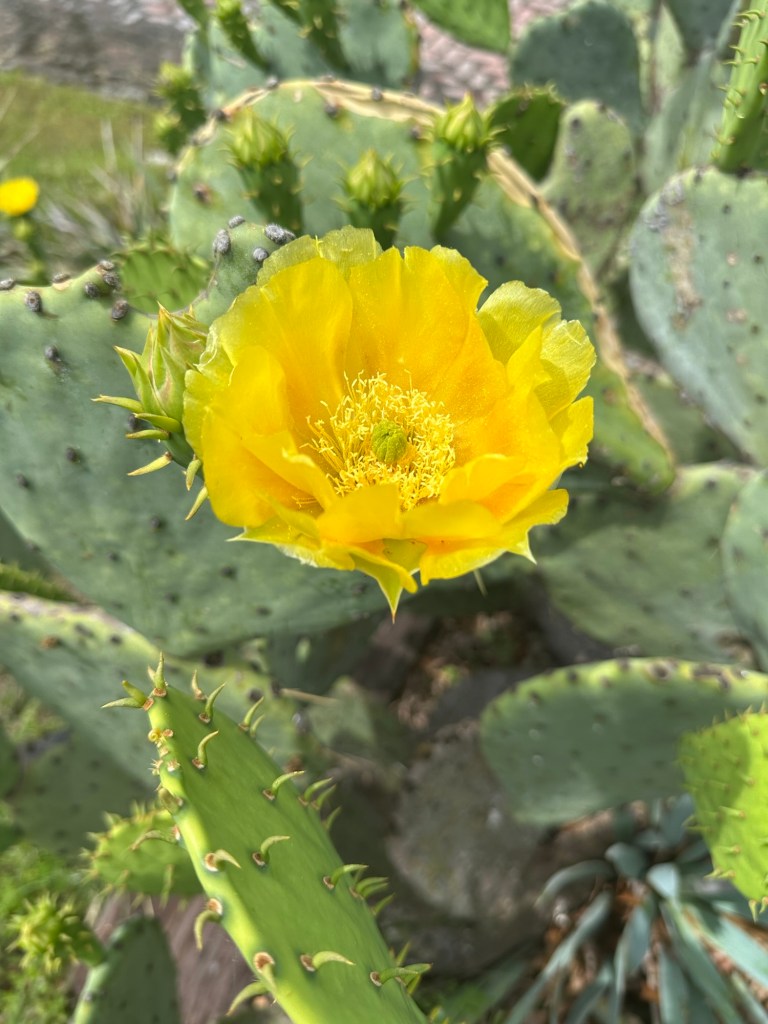
Texas Prickly Pear (Opuntia engelmannii)
• Description: A classic and widespread prickly pear cactus with broad, flat green pads covered in clusters of spines and glochids. In late spring to early summer, it produces brilliant yellow blooms, often followed by red-purple fruit (tunas).
• Habitat: Native to Texas and much of the south-central and southwestern U.S., as well as northern Mexico. It thrives in hot, dry climates with well-drained soil and full sun, commonly found in pastures, open rangeland, and rocky outcrops.
• Uses & Warnings: A hardy native plant useful for xeriscaping, erosion control, and wildlife habitat. Bees and other pollinators flock to its blooms, while birds and mammals eat the fruit. Be cautious of the spines and tiny glochids—protective gloves are a must when handling.

Lemon Beebalm (Monarda citriodora)
• Description: A striking wildflower with tiered whorls of purple to lavender blooms stacked along tall, square stems. Its narrow, fragrant leaves give off a citrusy, lemony scent when crushed — hence the name.
• Habitat: Native to Texas and much of the southern U.S., Lemon Beebalm thrives in dry prairies, open fields, and along roadsides. It prefers full sun and well-drained soil, blooming from late spring through summer.
• Uses & Warnings: Historically used by Native American tribes as a tea and natural remedy for colds and fevers. Today, it’s valued in pollinator gardens for attracting bees, butterflies, and hummingbirds. While generally safe, its essential oils can be strong — so enjoy in moderation if using for herbal teas or oils.
A favorite among pollinators and plant lovers alike, Lemon Beebalm adds height, fragrance, and vibrant color to Texas summer landscapes — a true native gem with both beauty and benefits.
Stay tuned as I continue adding more blooms throughout the month — you never know what May will bring!
 Coast to Country
Leave a comment