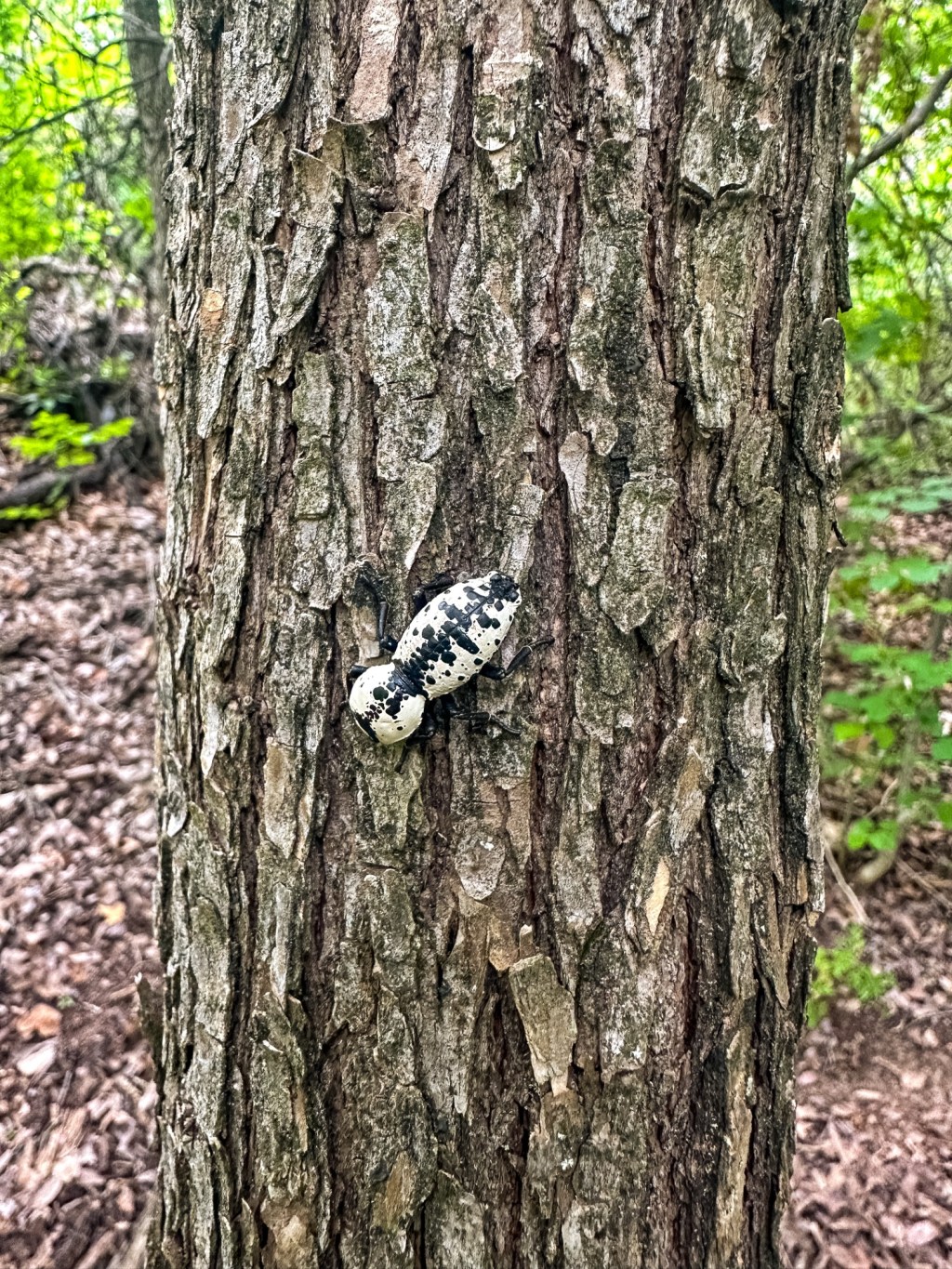
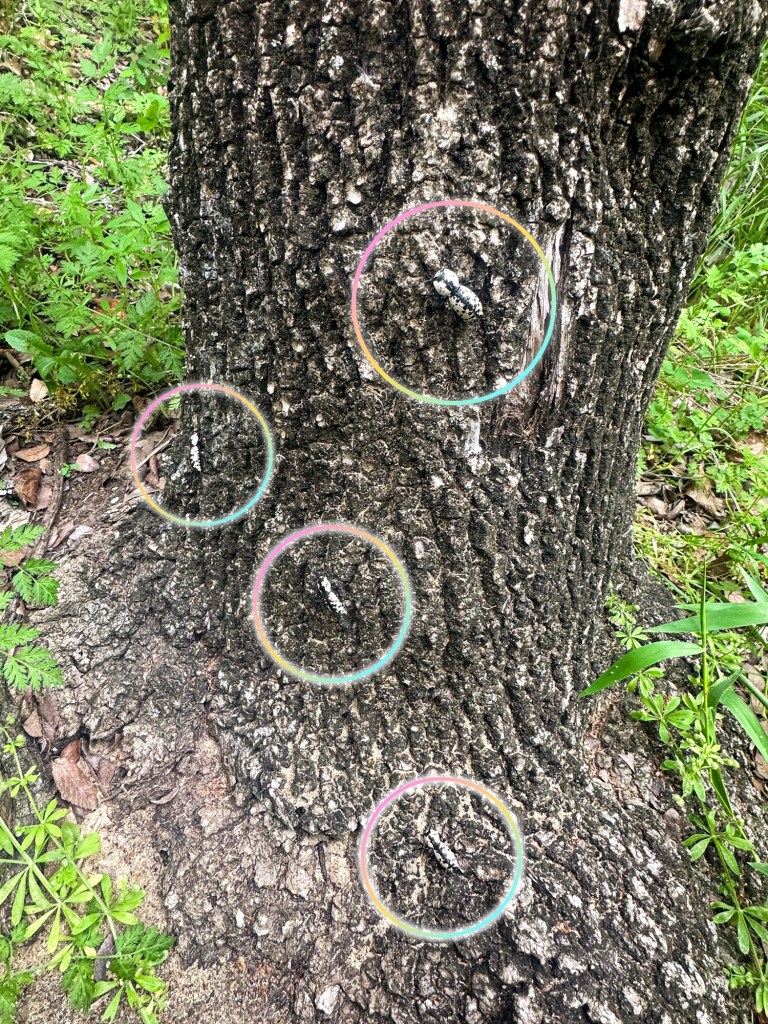
This week on a morning walk through the woods of central Texas, we spotted a little tank of a beetle clinging to the bark of a tree—a Texas Ironclad Beetle (Zopherus nodulosus haldemani). Its black-and-white marbled shell looked like natural camo against the textured bark, and it hardly moved as we gently observed.
These beetles aren’t flashy in the way butterflies or dragonflies are, but they’re tough, mysterious, and surprisingly fascinating—especially when you find out just how special they are.
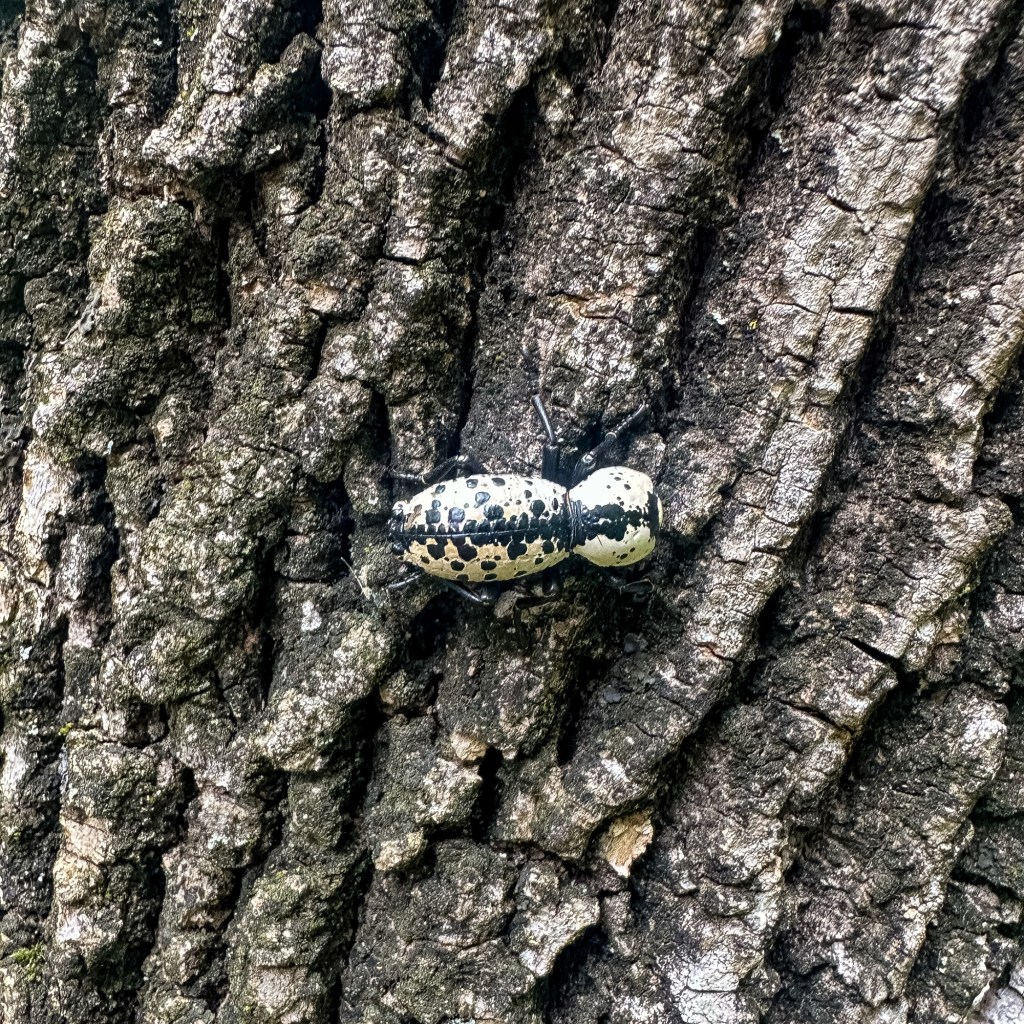
Nature’s Tiny Tank
The Texas Ironclad Beetle isn’t just another bug—it’s famous for having one of the toughest natural shells ever studied. In fact, engineers from UC Irvine and Purdue University studied its exoskeleton in 2020 to learn how it can survive being run over by cars (yes—cars!). The beetle’s body can withstand forces that would crush almost any other insect. What they found inspired new ideas for stronger joints and materials in airplanes, buildings, and more.
This makes it a perfect topic for science discussions in the classroom or homeschool. It’s not every day that a bug found on a tree trunk in Texas becomes a role model for aerospace design!
Can You Keep One as a Pet?
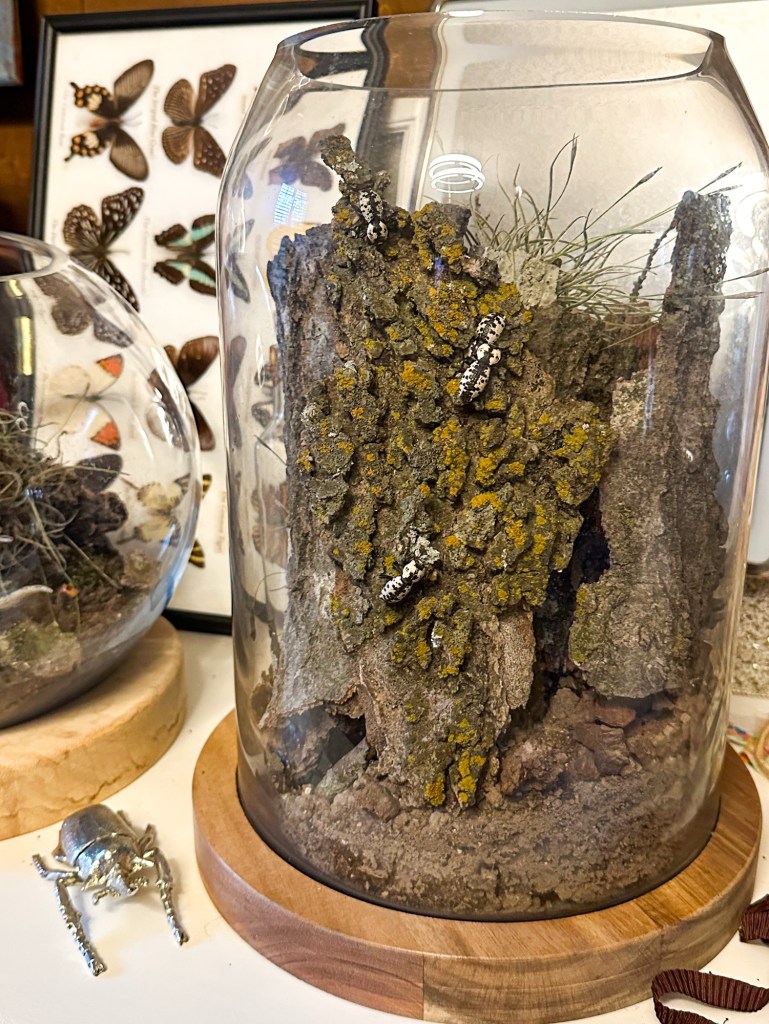
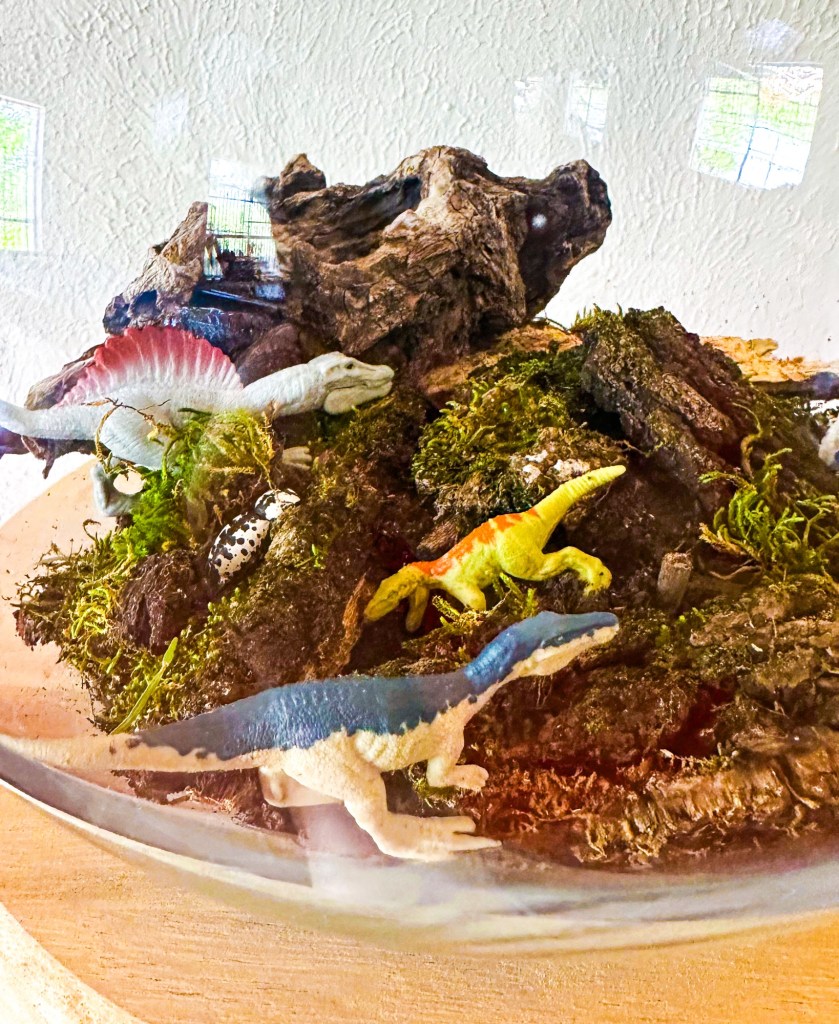
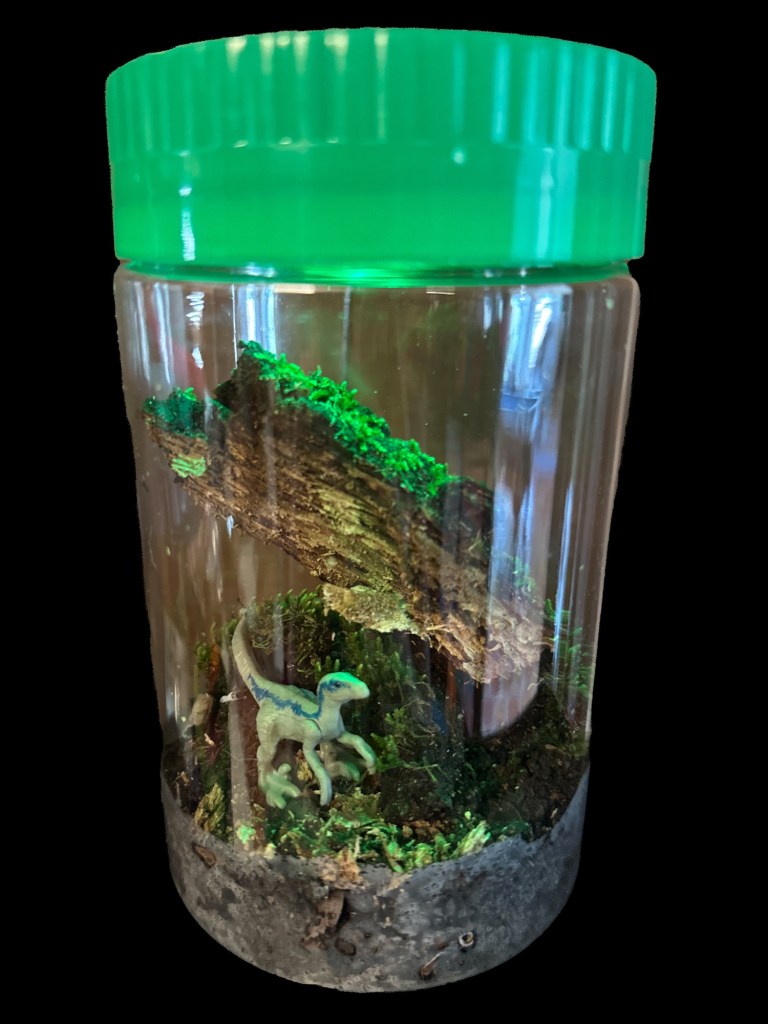
Yes—ironclad beetles can be kept as low-maintenance, observation pets, especially for kids who love bugs or are studying insect life cycles. Here’s a quick overview:
They’re safe: They don’t bite or sting and move slowly. They’re low-key: These beetles like to hide under bark and don’t require special lighting or heating. They eat simple foods: Soft mushrooms, decaying wood, and lichens are perfect for them. They can live up to a year: Some even longer in a well-kept enclosure.
If you’re building an insect observation station at home or in the classroom, these beetles are an awesome and underappreciated option.
How to Spot One
Texas Ironclad Beetles are native to dry wooded areas in Central and East Texas. Look:
On tree trunks, especially oaks Under bark or dead logs In the early morning or evening, when they might be more active or visible
They often play dead when disturbed, tucking in their legs and staying perfectly still. It’s a defense mechanism—and it works. We watched ours for nearly five minutes before it finally decided we were safe and slowly crawled on.
Coast to Country Tip
Next time you’re out hiking or wandering your own backyard, take a moment to look closely at the bark and branches around you. The most fascinating creatures often blend right in—and sometimes, they’re tough enough to inspire a team of engineers.
 Coast to Country
Leave a comment