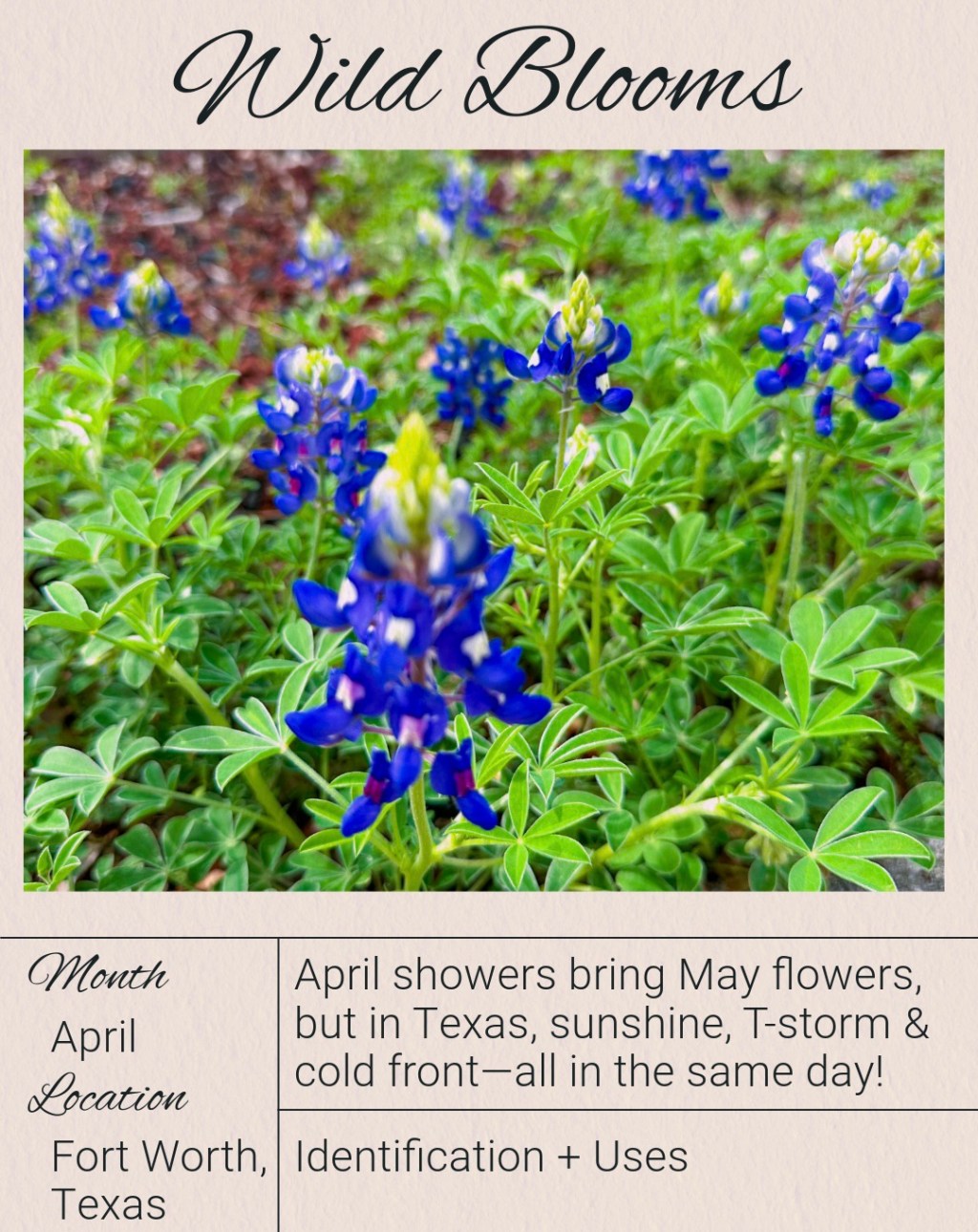
April is here, and with it, the much-needed spring rains! Everything in my yard is doubling in size, and the wildflowers are thriving. As I explore what’s blooming, I’m taking note of each plant’s history, uses, and any potential hazards. Here’s what’s flourishing in my Fort Worth yard this month:
Here’s what I’ve spotted so far in April:
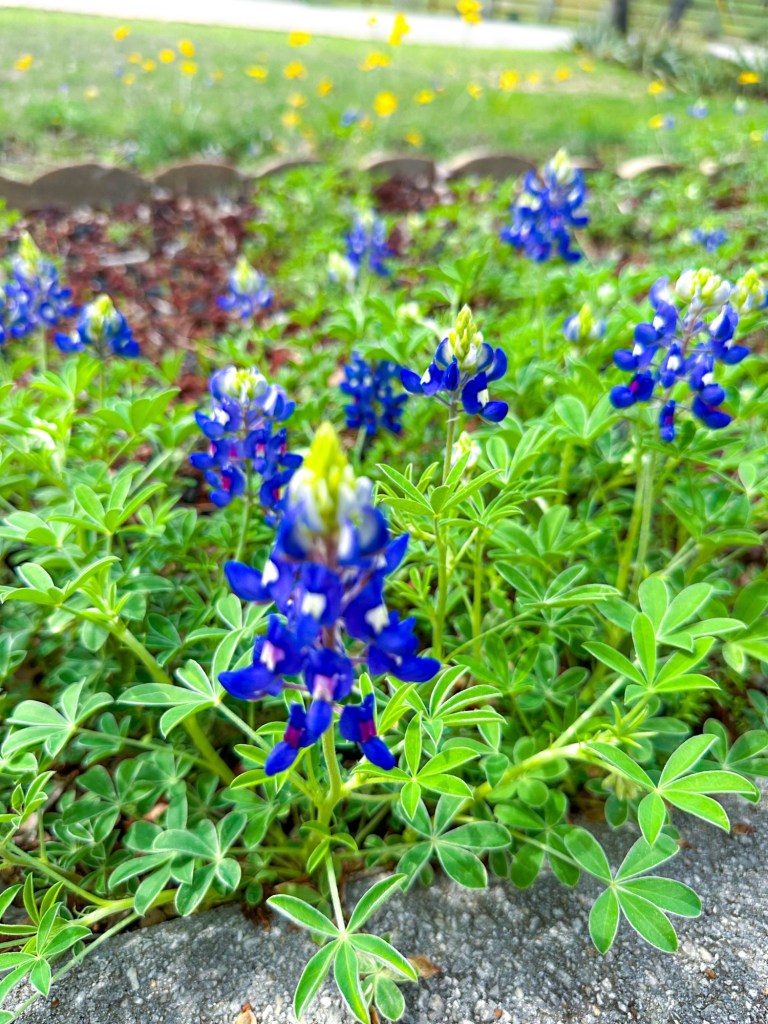
Texas Bluebonnet (Lupinus texensis)
• Description: The iconic state flower of Texas, bluebonnets are vibrant blue wildflowers with a distinctive white tip, growing in dense clusters along roadsides and fields.
• Habitat: Thrives in sunny, well-drained areas, especially in prairies, meadows, and along highways throughout Texas.
• Uses & Warnings: While beautiful, bluebonnets are toxic if ingested by humans or livestock. These native wildflowers play a crucial role in supporting pollinators like bees and butterflies.
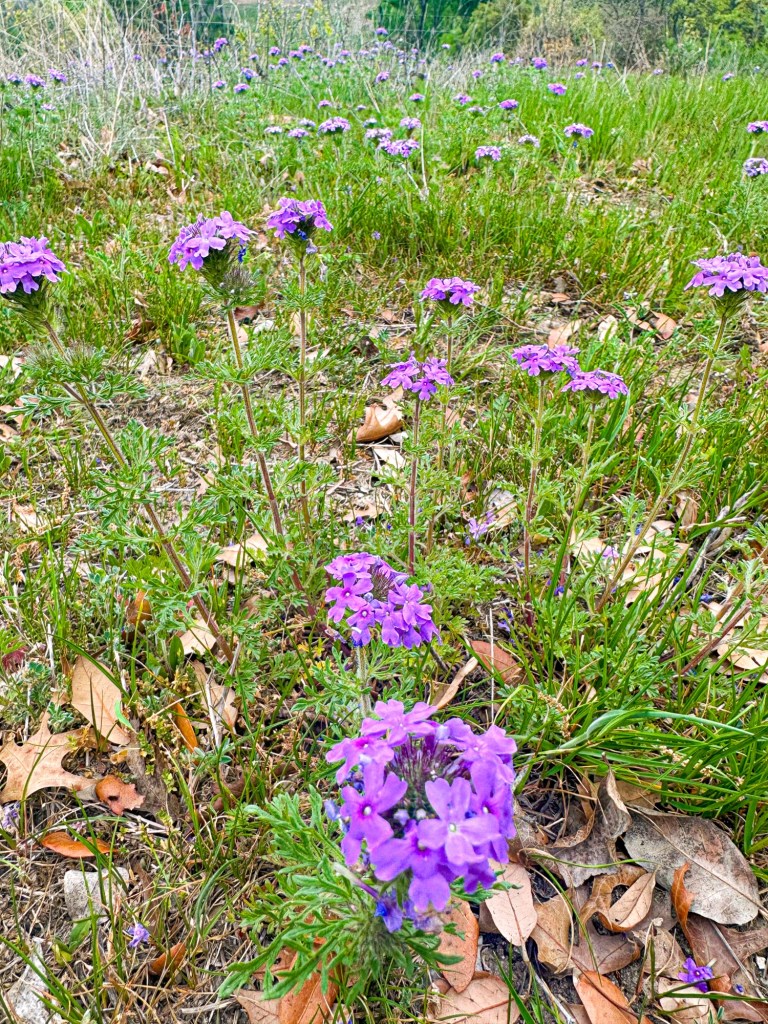
Prairie Verbena (Glandularia bipinnatifida)
• Description: A low-growing, spreading perennial with clusters of vibrant purple flowers that bloom from spring through fall. Its deeply lobed, fern-like leaves give it a delicate appearance, though it is a hardy and drought-tolerant plant.
• Habitat: Native to the central and southern United States, prairie verbena thrives in prairies, roadsides, and open fields. It prefers well-drained soils and full sun but can tolerate poor soil conditions.
• Uses & Warnings: Prairie verbena is a favorite among pollinators, attracting butterflies, bees, and other beneficial insects. While it has no known toxicity, it spreads easily and can become aggressive in garden settings if not managed.
With its long-lasting blooms and ability to thrive in tough conditions, prairie verbena is a beautiful and beneficial wildflower for Texas landscapes!
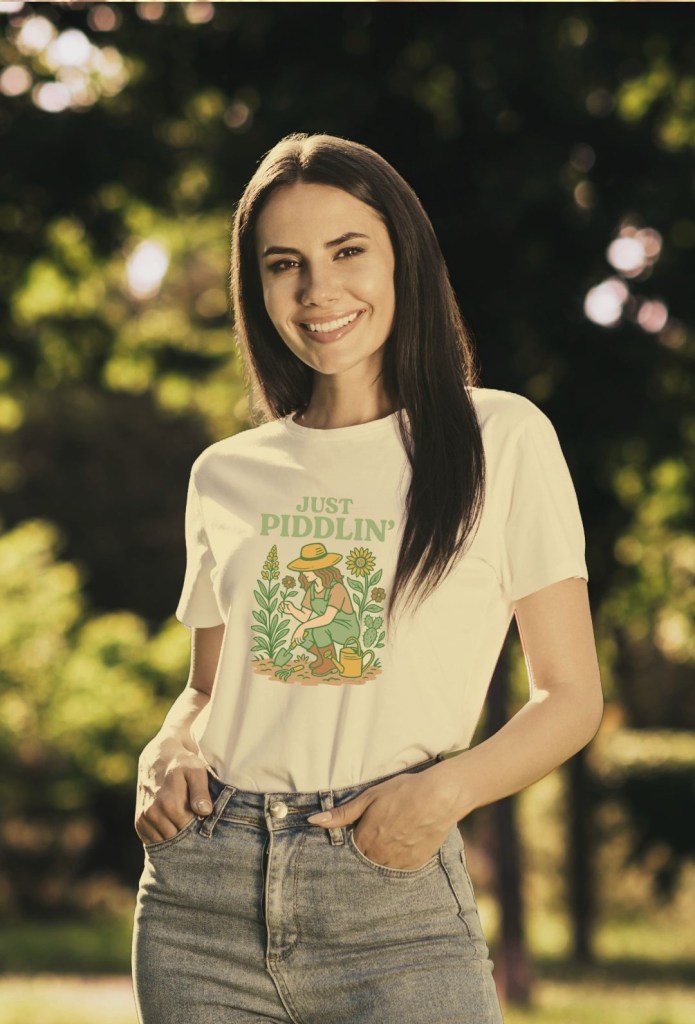
If you’re looking for a fun way to show off your love for Texas wildflowers and country living, take a look at the Coast to Country “Just Piddlin’” Premium T-Shirt. Made from soft, breathable fabric, it’s perfect for summer days in the garden, out on the trail, or just enjoying a quiet morning on the porch. This floral-inspired tee is a comfortable way to carry a little bit of Texas nature with you, wherever you go.

False Agoseris (Nothocalais troximoides / Agoseris glauca)
• Description: A perennial wildflower in the sunflower family, featuring yellow dandelion-like blooms atop slender stems.
• Habitat: Found in grasslands and open meadows across the western and central U.S., thriving in well-drained soils.
• Uses & Warnings: Some Native American tribes used related species for medicinal purposes, but this plant has limited documented uses. Not known to be toxic, but proper identification is essential before any foraging.
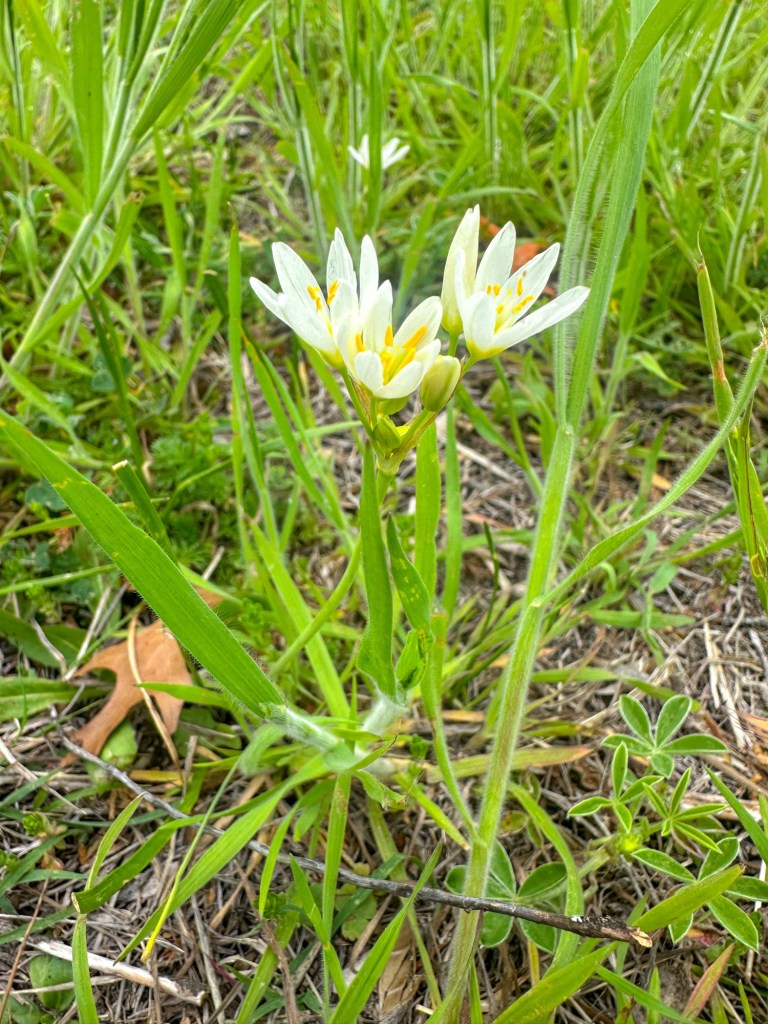
False Garlic (Nothoscordum bivalve)
• Description: A perennial wildflower in the Amaryllidaceae family, producing delicate, star-shaped white flowers with a yellow center. Despite its name, it lacks the strong scent of true garlic.
• Habitat: Found in open fields, prairies, and along roadsides across the southeastern and south-central United States, including Texas.
• Uses & Warnings: While it resembles wild garlic, it is not edible and may be toxic if ingested. Always be cautious when foraging look-alike plants!
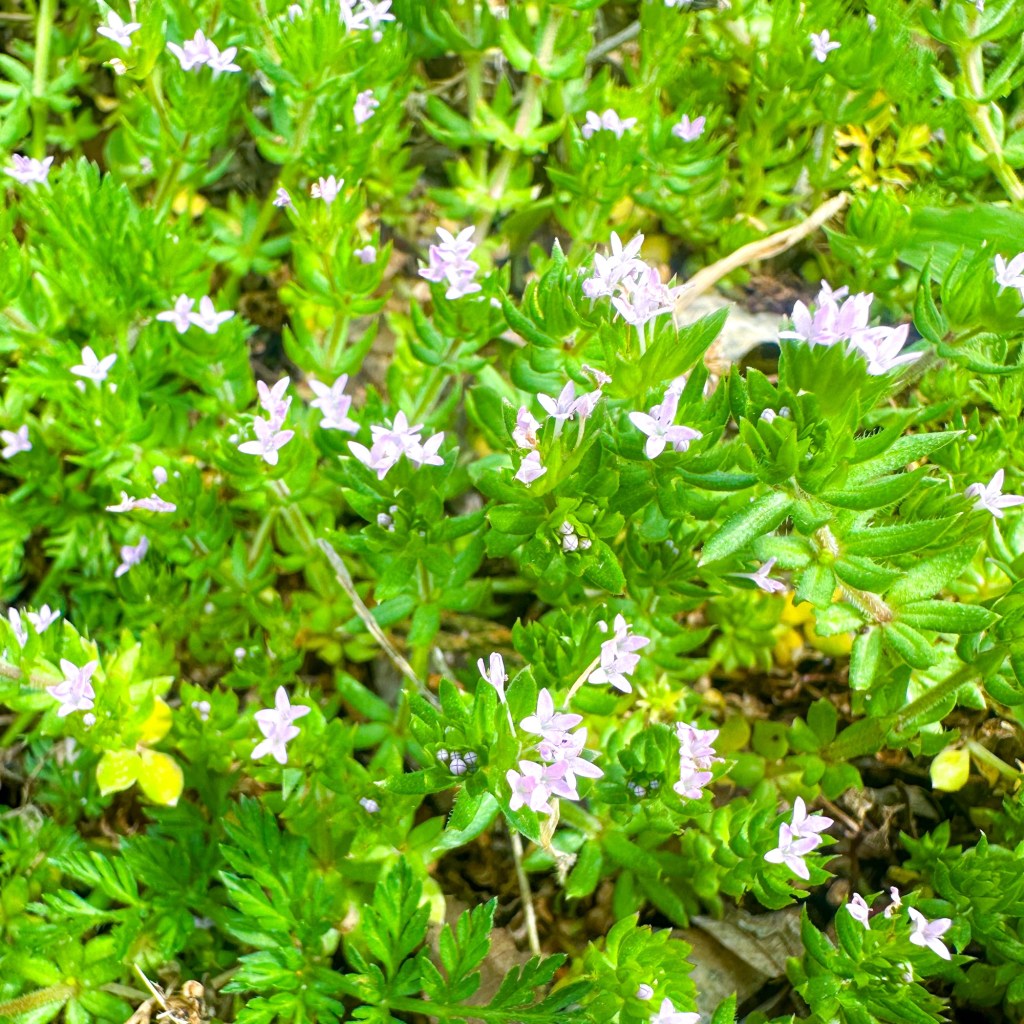
Field Madder (Sherardia arvensis)
• Description: A low-growing annual in the Rubiaceae family, producing tiny, star-shaped pink to lilac flowers. It spreads along the ground with square stems and whorled leaves.
• Habitat: Found in fields, roadsides, and disturbed areas across North America and Europe, often thriving in sandy or rocky soils.
• Uses & Warnings: Historically used as a dye plant, but it has no known significant medicinal or edible uses. Considered a weed in some areas due to its spreading nature.

Texas Primrose (Oenothera howardii)
• Description: A low-growing perennial wildflower known for its bright yellow, cup-shaped blooms that often turn orange as they age. The delicate, crinkled petals give it a soft, papery appearance.
• Habitat: Found in dry, sandy, and rocky soils across the southwestern United States, including Texas. It thrives in open prairies, desert grasslands, and roadsides, blooming in spring and early summer.
• Uses & Warnings: Like other evening primroses, Oenothera howardii is an important nectar source for moths and other pollinators. Some species of primrose have medicinal and culinary uses, but proper identification is important before use.
Texas primrose brings a burst of golden color to dry landscapes, making it a beautiful and resilient addition to native gardens!
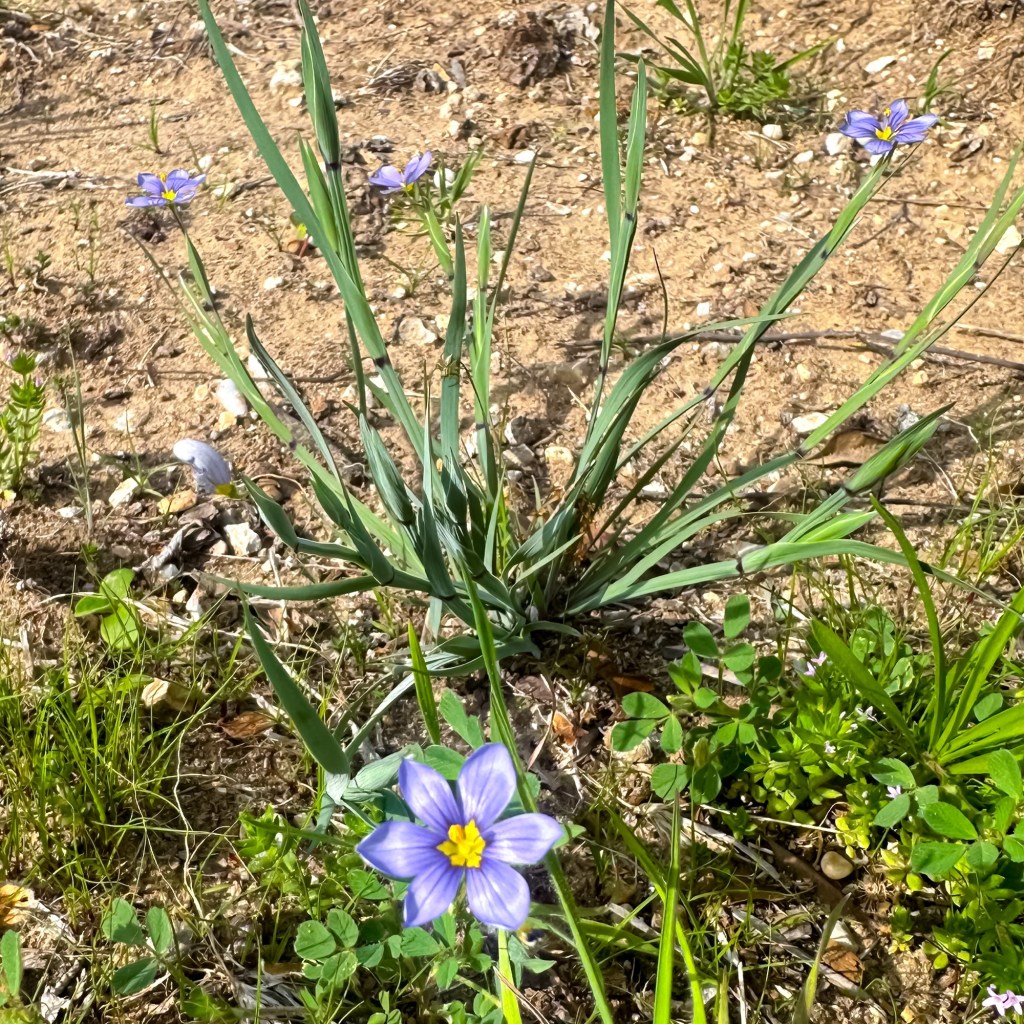
Blue-Eyed Grass (Sisyrinchium montanum)
• Description: Despite its name, this delicate wildflower is actually a member of the iris family. It features slender, grass-like leaves and small, star-shaped blue to violet flowers with a bright yellow center.
• Habitat: Found in meadows, prairies, and open woodlands across North America, thriving in moist, well-drained soils.
• Uses & Warnings: While not commonly used for medicinal or culinary purposes, blue-eyed grass provides nectar for pollinators and adds charm to native plant gardens.
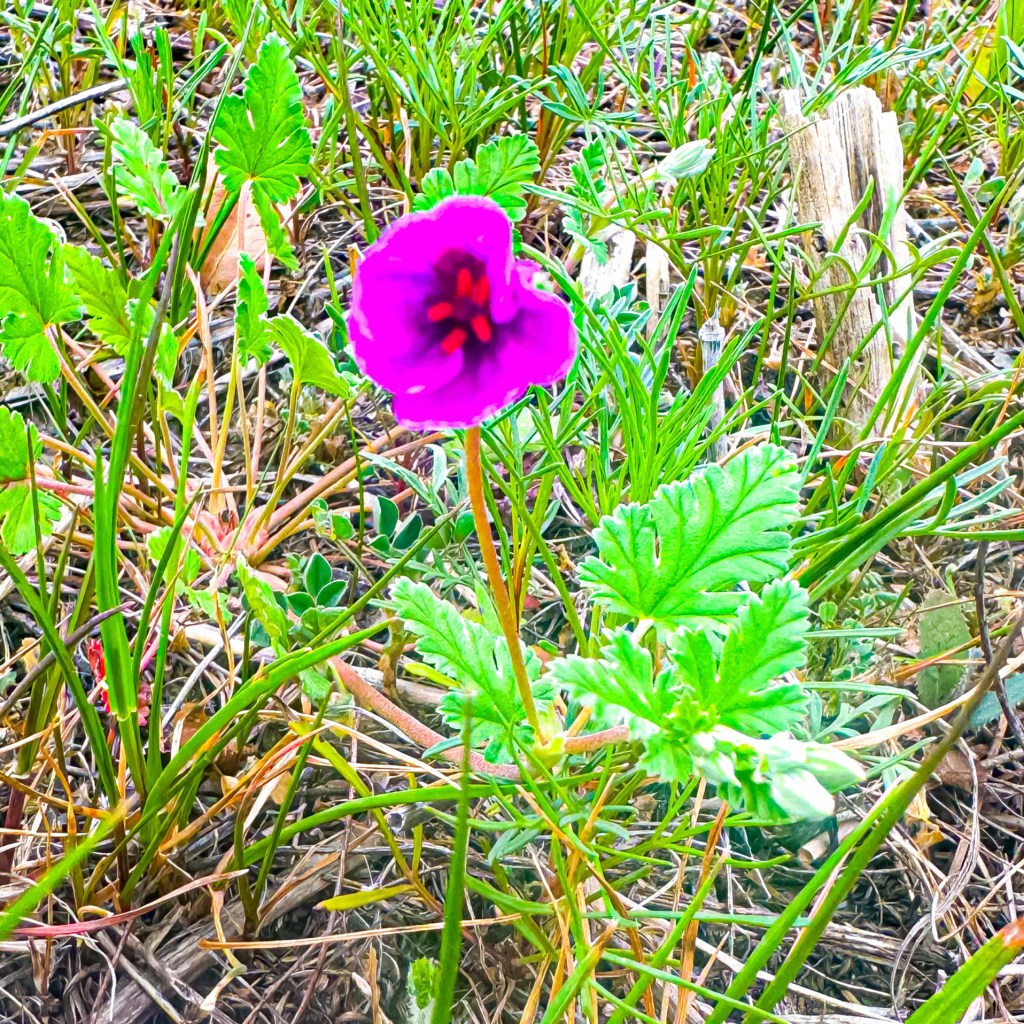
Texas Filaree (Erodium texanum)
• Description: A low-growing, drought-tolerant wildflower with delicate pink to purple blooms and finely divided, fern-like leaves. Its long, pointed seed pods resemble a stork’s bill, giving it its common name.
• Habitat: Found in dry, sandy, and rocky soils across Texas and the southwestern U.S. It thrives in open fields, roadsides, and desert landscapes, blooming primarily in spring.
• Uses & Warnings: Texas filaree is an important food source for pollinators and wildlife. Some species of Erodium have historical medicinal uses, but proper identification is necessary before foraging.
This hardy little wildflower adds a splash of color to dry landscapes and is a great example of nature’s resilience in Texas!
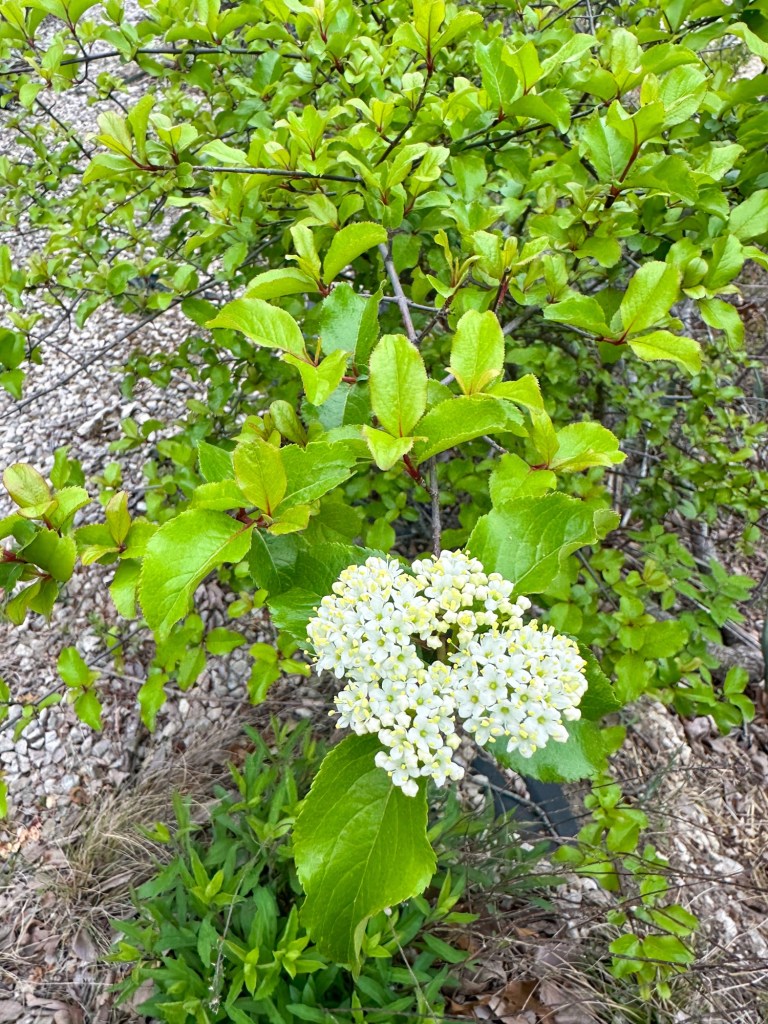
Southern Black Haw (Viburnum rufidulum)
• Description: A deciduous shrub or small tree known for its glossy, dark green leaves that turn vibrant shades of red and purple in the fall. In spring, it produces clusters of small, white flowers that give way to dark blue-black berries in late summer and fall.
• Habitat: Native to the southeastern United States, southern black haw thrives in woodlands, along riverbanks, and in open fields. It prefers well-drained soils and can tolerate both full sun and partial shade.
• Uses & Warnings: The berries are edible and have been used in jams, jellies, and teas. The bark has a history of medicinal use, traditionally used as a remedy for cramps and pain relief. While beneficial for wildlife, including birds and pollinators, caution is advised as the raw berries may cause digestive discomfort in some people.
With its striking seasonal colors and wildlife benefits, southern black haw is a valuable addition to natural landscapes and gardens!
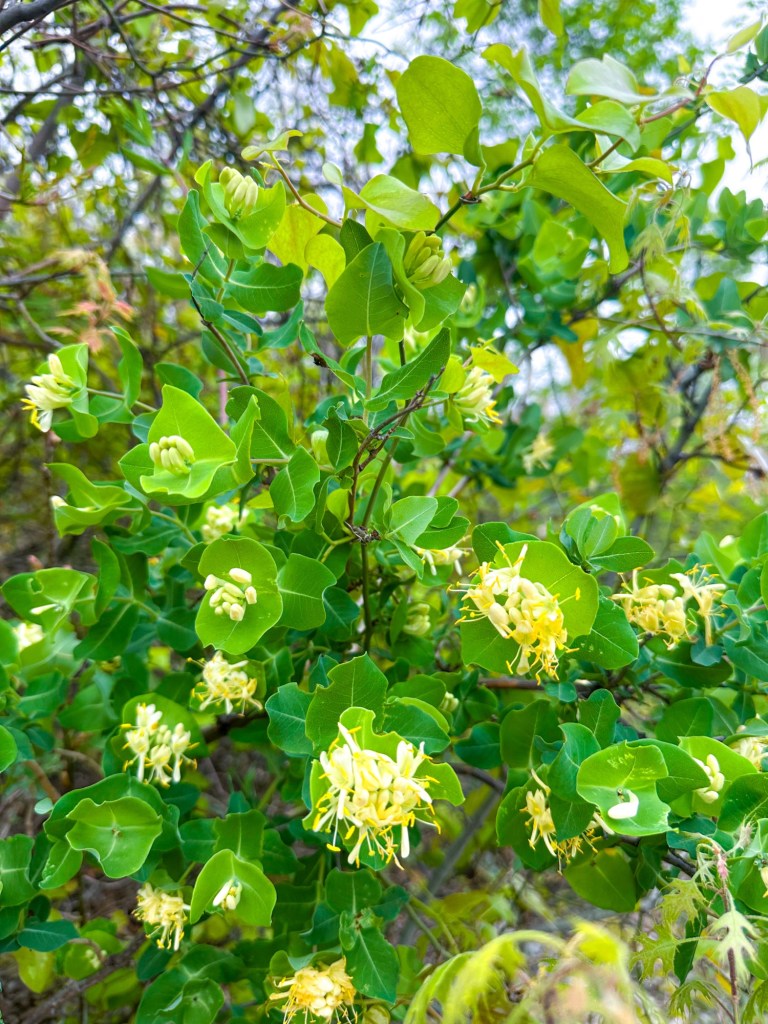
Grape Honeysuckle (Lonicera reticulata)
• Description: Also known as netted honeysuckle, this twining vine produces clusters of tubular, yellow-orange flowers in late spring to early summer. The blooms are fragrant and attract hummingbirds, bees, and butterflies. In late summer, it develops small, reddish-purple berries.
• Habitat: Native to the central United States, grape honeysuckle thrives in woodlands, along fences, and in open fields. It prefers well-drained soil and full to partial sun, making it a great addition to gardens and natural landscapes.
• Uses & Warnings: While the flowers are excellent for pollinators, the berries are mildly toxic to humans and should not be consumed. However, birds enjoy them as a food source. This vine is a beautiful, low-maintenance option for adding vertical interest to trellises and fences.
With its stunning flowers and ability to support wildlife, grape honeysuckle is a wonderful native plant to enjoy in the landscape!
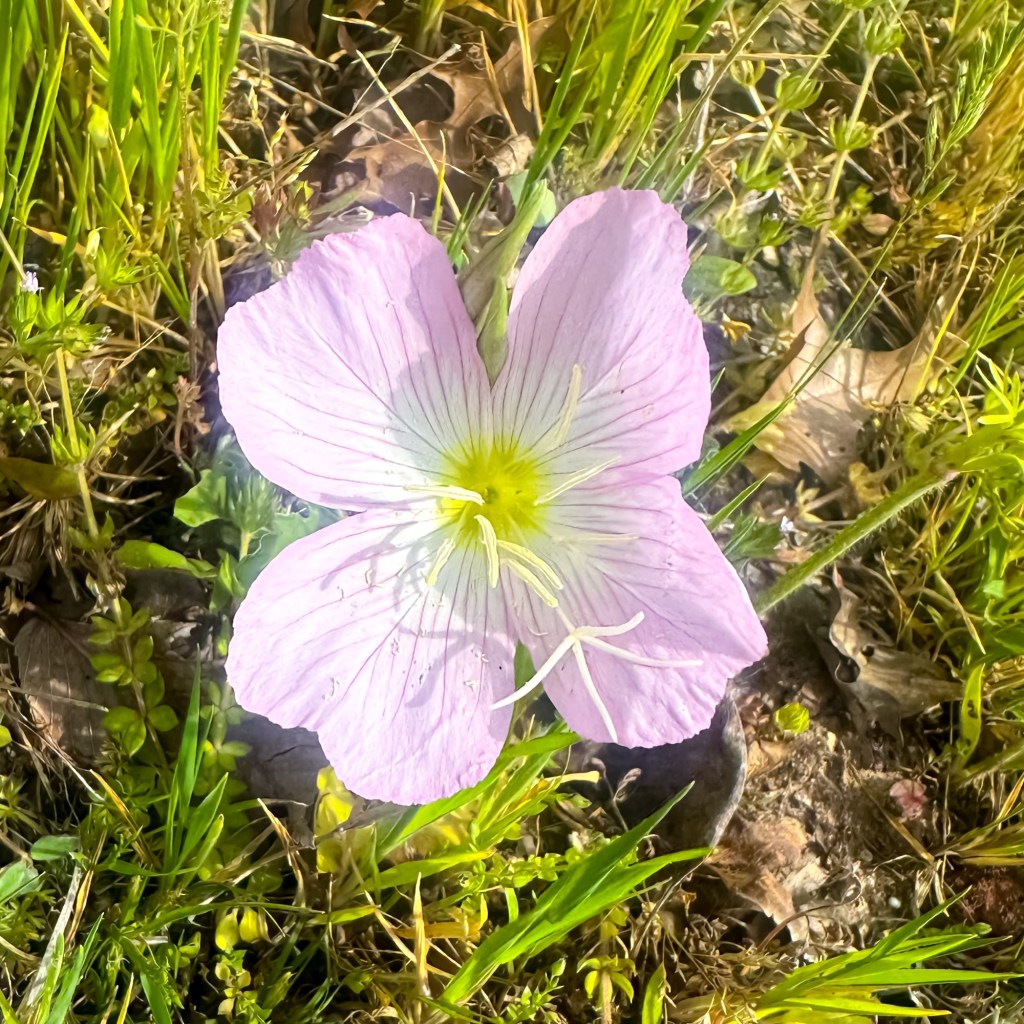
Pink Evening Primrose (Oenothera speciosa)
• Description: A charming wildflower native to Texas, the pink evening primrose boasts delicate, light pink, four-petaled flowers that open in the evening and close by midday. The plants grow low to the ground, with slender, lance-shaped leaves and long, spindly stems.
• Habitat: Found in prairies, roadsides, and disturbed areas across Texas and other parts of the southwestern U.S. These plants thrive in full sun and well-drained soil.
• Uses: Pink evening primrose is often admired for its beauty in gardens, particularly for its ability to bloom in the cooler evening hours, adding a touch of soft color when the day begins to wind down. Historically, Native Americans have used the plant for medicinal purposes, such as soothing ailments like sore throats and digestive issues, although it should be used cautiously and under the guidance of a knowledgeable herbalist.
• Warnings: While the plant is commonly grown as an ornamental, caution is advised if harvesting for medicinal purposes. Some species in the Onagraceae family contain compounds that can cause stomach upset or other adverse effects if improperly used. Always properly identify and research plants before using them.
🌈April showers bring May flowers🌧️
With the spring rains rolling in, everything is doubling in size, and the landscape is bursting with new life. April showers are setting the stage for even more blooms in the weeks ahead. I can’t wait to see what May brings—tune in next month to see what pops up next!
 Coast to Country
Leave a comment