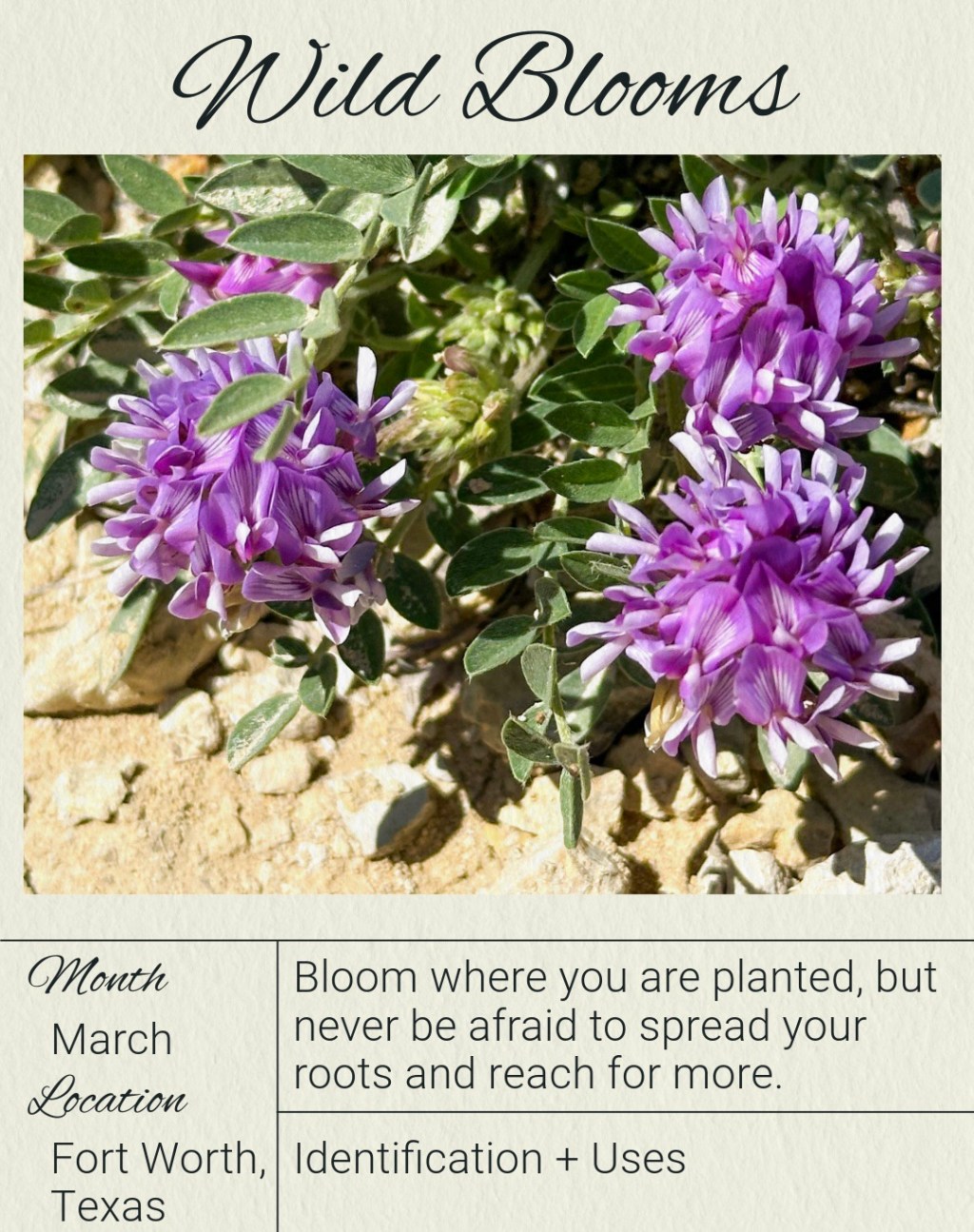
Spring has arrived in Fort Worth, and my yard is already waking up with color! As I explore what’s blooming, I’m taking note of each plant’s history, uses, and any potential hazards.
Here’s what I’ve spotted so far in March:
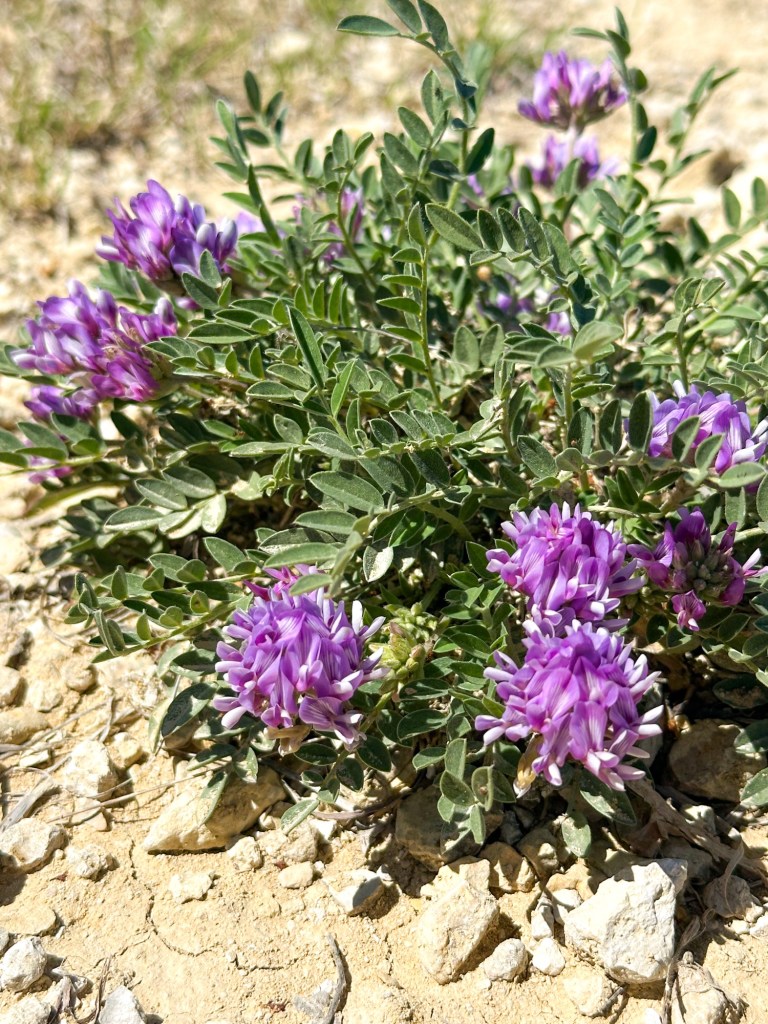
Ground Plum (Astragalus crassicarpus)
• Description: A low-growing perennial legume with sprawling stems ranging from 4 to 24 inches in length. It features pinnate leaves composed of 15 to 29 leaflets and produces clusters of pinkish-purple flowers. The plant is notable for its fleshy, plum-like seed pods, which are edible when unripe.
• Habitat: Native to prairies, plains, and open woodlands across central and western North America, including regions of Canada and the United States. It thrives in well-drained soils and is commonly found in dry prairies and plains.
• Uses & Warnings: The unripe seed pods are edible and were traditionally consumed by Native Americans, either raw or cooked. Additionally, the plant has been used medicinally as a stimulant. However, caution is advised as some related species can be toxic; proper identification is essential before consumption.
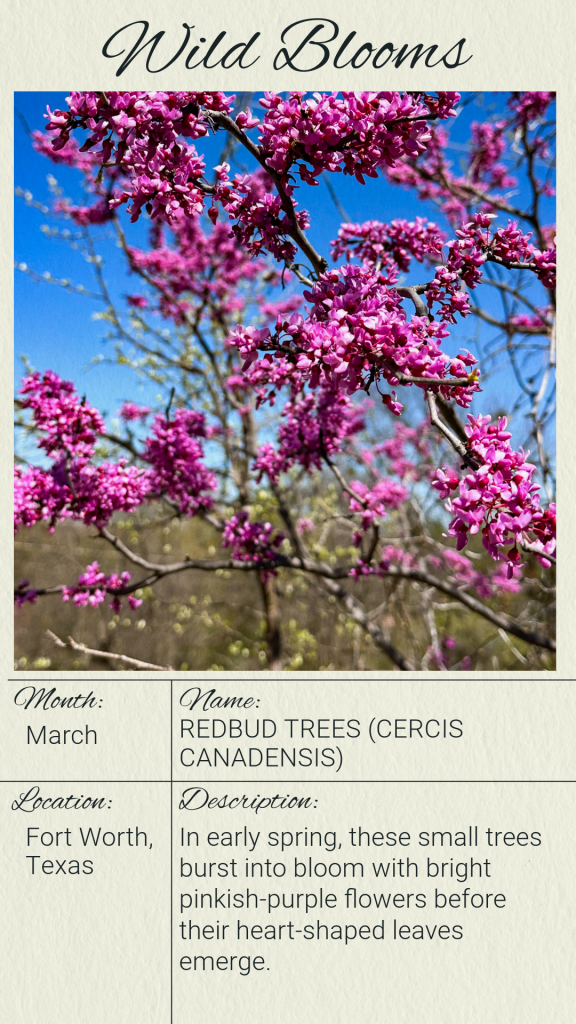
Redbud Trees (Cercis canadensis)
• Description: In early spring, these small trees burst into bloom with bright pinkish-purple flowers before their heart-shaped leaves emerge.
• Uses:
• The flowers are edible and can be added to salads for a pop of color and a slightly tangy flavor.
• Native bees love redbuds, making them great for pollinator support.
• Warnings: None! This is a great native tree to have in your yard.
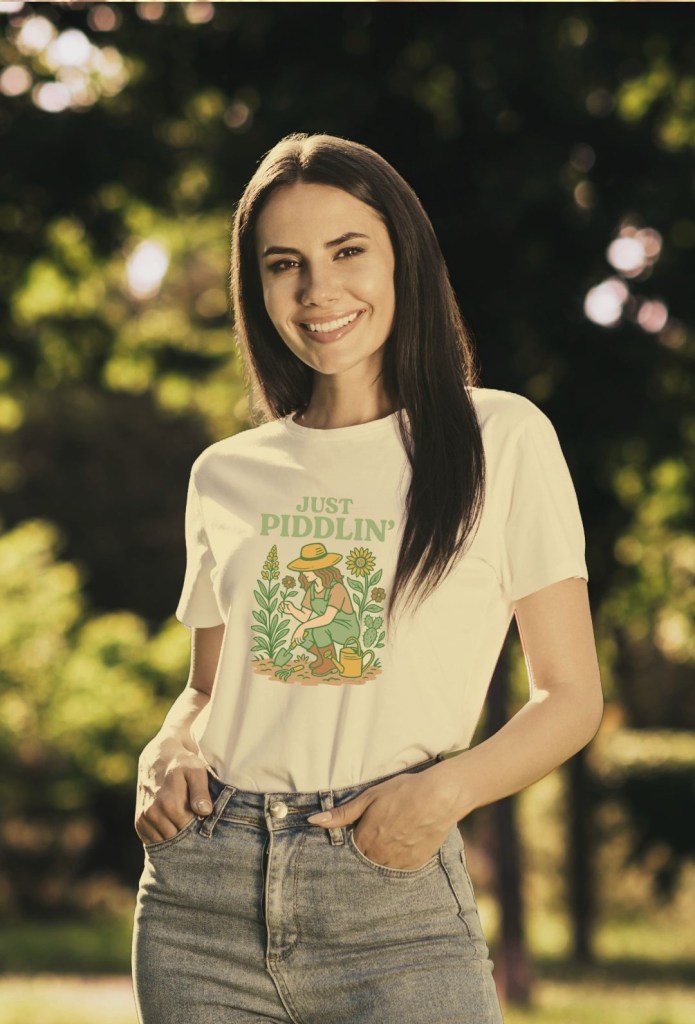
If you’re looking for a fun way to show off your love for Texas wildflowers and country living, take a look at the Coast to Country “Just Piddlin’” Premium T-Shirt. Made from soft, breathable fabric, it’s perfect for summer days in the garden, out on the trail, or just enjoying a quiet morning on the porch. This floral-inspired tee is a comfortable way to carry a little bit of Texas nature with you, wherever you go.
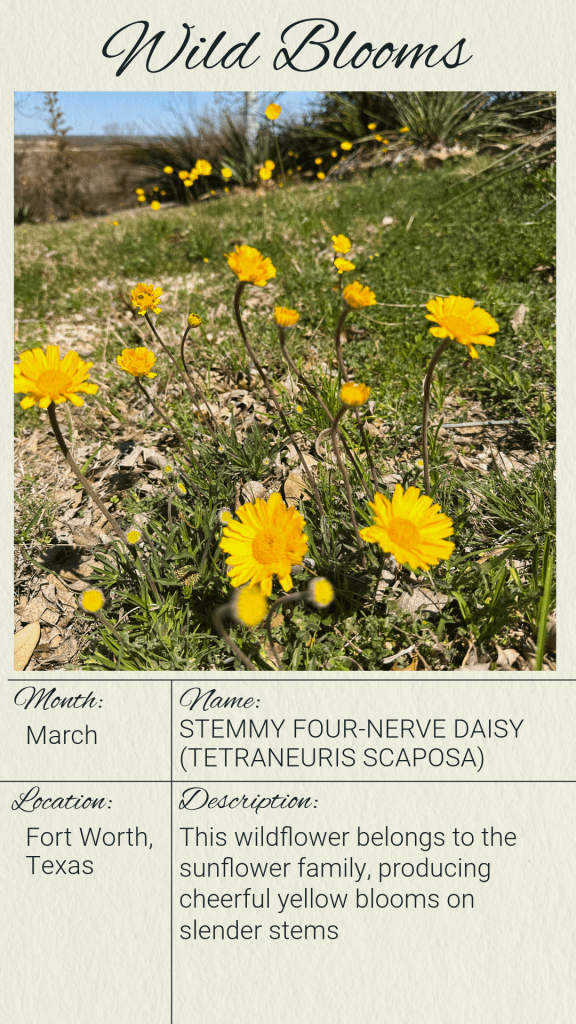
Stemmy Four-Nerve Daisy (Tetraneuris scaposa)
• Description: This wildflower belongs to the sunflower family, producing cheerful yellow blooms on slender stems.
• Traditional Uses:
• The Zuni people used an infusion of this plant as an eyewash.
• However, the treatment was believed to be ineffective for those with a “bad heart,” hinting at deeper cultural or spiritual significance.
• Warnings: No known toxicity, but as with any wild plant, proper identification is key before using it medicinally.
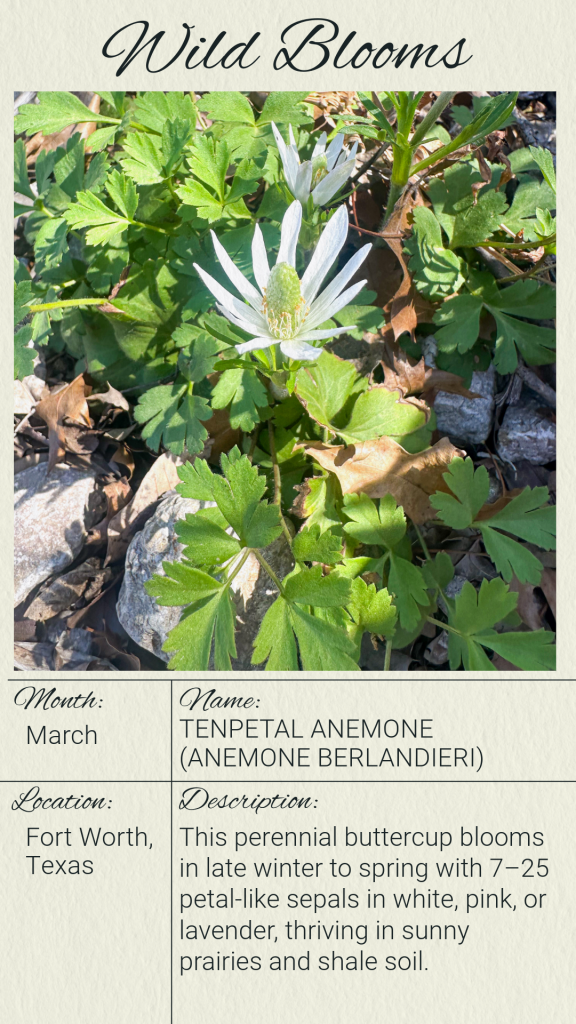
Tenpetal Anemone (Anemone berlandieri)
• Description: A perennial wildflower in the buttercup family, featuring delicate, petal-like sepals that range from 7 to 25 in number. Blooms appear from late winter to early spring in shades of white, pink, or lavender. It thrives in sunny prairies, hillsides, and wooded areas with thin shale soil.
• Traditional Uses: While not widely used medicinally, some Native American tribes historically utilized related anemone species for herbal remedies.
• Warnings:All parts of the plant are poisonous when fresh and can cause irritation if ingested.
• Proper identification is essential, as many anemone species contain toxic compounds.
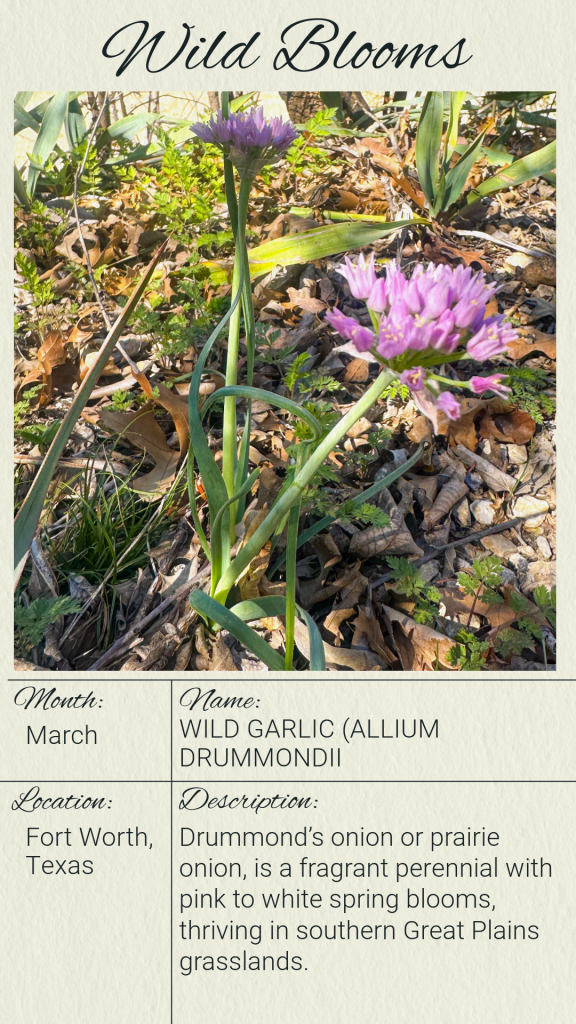
Wild Garlic (Allium drummondii)
• Description: Also known as Drummond’s onion or prairie onion, this perennial plant is part of the onion family. It produces clusters of pink to white flowers in the spring and thrives in prairies, open fields, and grasslands across the southern Great Plains. The plant emits a distinct garlic or onion scent when crushed.
• Traditional Uses:
• Indigenous peoples and early settlers used the bulbs and leaves as a food source, similar to cultivated garlic and onions.
• Some Native American tribes used it for medicinal purposes, such as treating colds and respiratory ailments.
• Warnings:
• While generally safe to eat, it is important to correctly identify wild garlic, as some toxic look-alike plants exist.
• Consuming large quantities can cause digestive upset in some individuals.
• Avoid harvesting from areas treated with pesticides or contaminated soil.
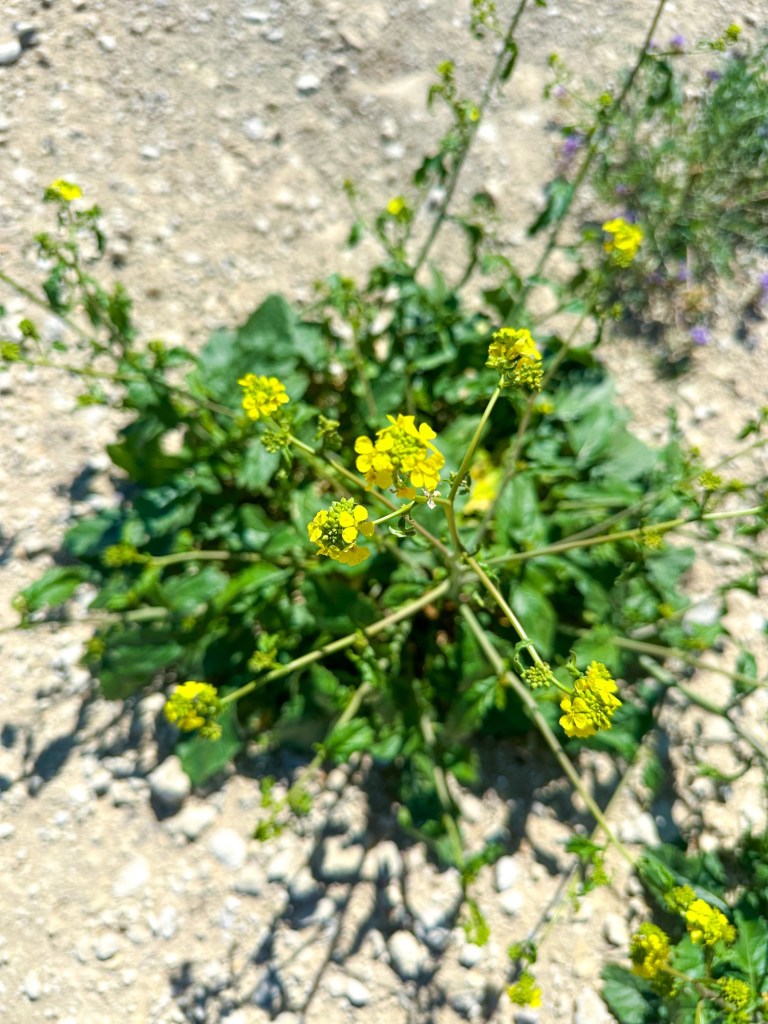
Bastard Cabbage (Rapistrum rugosum)
• Description: An invasive flowering plant in the mustard family with bright yellow blooms and deeply lobed leaves, often forming dense patches.
• Habitat: Commonly found in Texas along roadsides, fields, and disturbed areas, where it outcompetes native plants.
• Uses & Warnings: While young leaves are edible, this aggressive species crowds out native wildflowers and is considered a nuisance in many ecosystems.

Fringed Puccoon (Lithospermum incisum)
• Description: A perennial wildflower in the borage family with bright yellow, trumpet-shaped flowers and narrow, lance-like leaves.
• Habitat: Found in prairies, open woodlands, and dry, sandy soils across the central and western U.S.
• Uses & Warnings: Native Americans used the roots for dye and medicinal purposes, but the plant is not commonly foraged today. Its deep roots help it thrive in harsh conditions.

Prairie Redroot (Ceanothus herbaceus)
• Description: Also known as Narrowleaf New Jersey Tea, this hardy shrub is a member of the buckthorn family. It produces small clusters of fragrant white flowers in late spring to early summer, attracting pollinators. Its narrow leaves and compact growth make it distinct from its close relative, Ceanothus americanus.
• Habitat: Found in prairies, open woodlands, and dry, rocky soils across central North America. It thrives in well-drained areas and is highly drought-tolerant.
• Uses & Warnings: Like other Ceanothus species, the leaves were historically brewed into a caffeine-free tea substitute. Its deep roots help prevent soil erosion, making it valuable for restoration projects. While not toxic, proper identification is essential before using any wild plant.
Observations & Next Steps
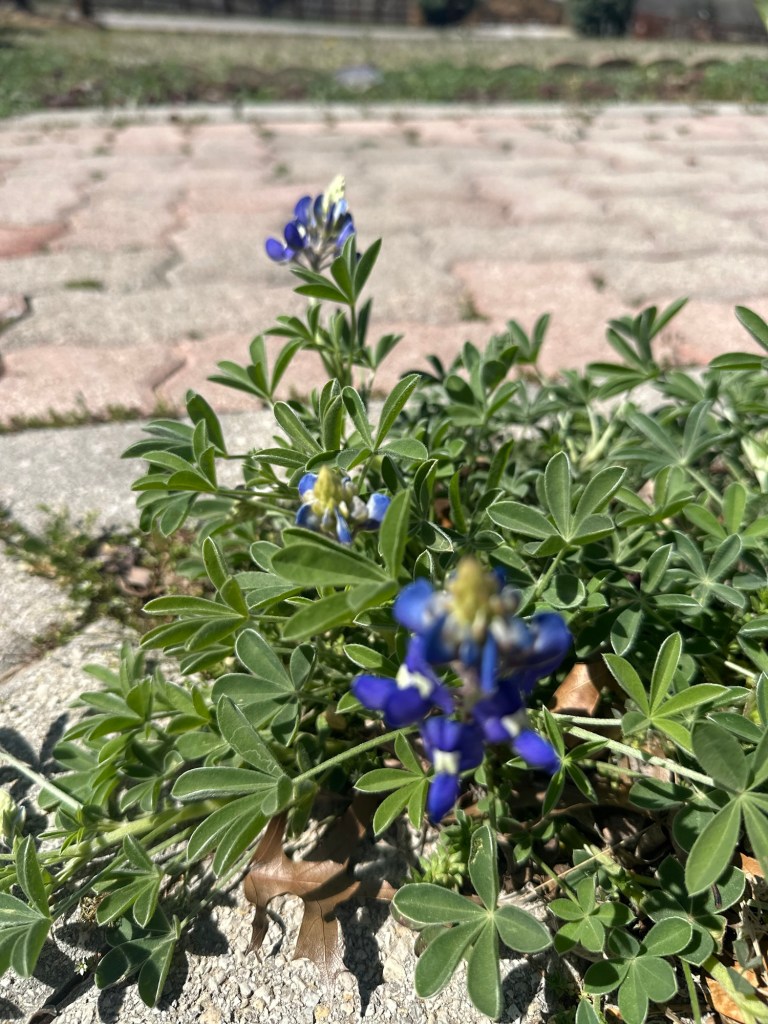
March is just the beginning of the blooming season, and I’m looking forward to seeing what else pops up in my yard! I’ll be keeping an eye out for bluebonnets, Indian paintbrush, and any unexpected surprises.
Spring Wildflower Adventure: Tips for Exploring with Kids
Spring is bursting with color, making it the perfect time to explore wildflowers with your kids! Start by searching in sunny spots like fields, trails, or even your backyard. Use a field guide or a plant ID app to name your discoveries, and encourage kids to observe colors, shapes, and scents—just remind them to look, not pick! Bring a journal for sketching or writing about their finds, and turn it into a fun scavenger hunt by spotting different colors or counting how many species you can find. Happy wildflower hunting!
 Coast to Country
Leave a comment