Did you know that one of the most brilliant red dyes in history comes from tiny bugs? Cochineal beetles have been used for centuries to create rich, vibrant red pigments for clothing, royal robes, and even food. These amazing insects can be found right outside on prickly pear cacti, or you can purchase them online for a hands-on activity that blends history, science, and art. This post will guide you through the fascinating story of cochineal beetles and show you how to dye fabric naturally with your family!

A History of Cochineal Beetles
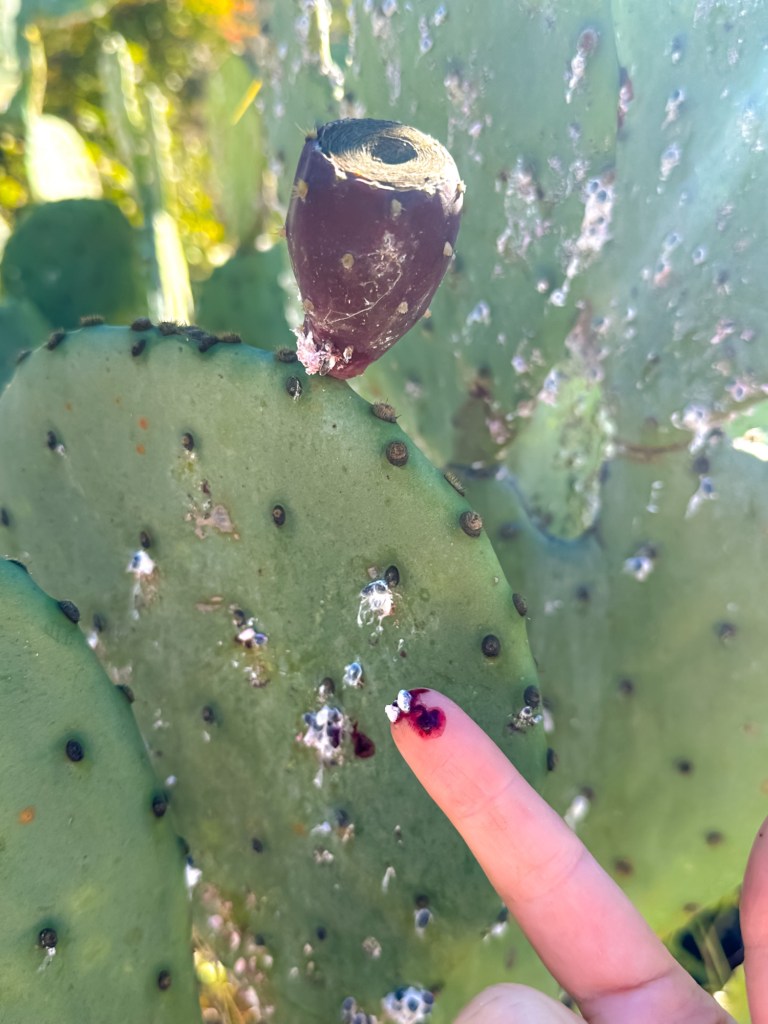
Cochineal beetles might be small, but their role in history is enormous. Found on prickly pear cacti in regions like Texas, Mexico, and South America, these bugs produce a red pigment called carminic acid to deter predators. Indigenous peoples in the Americas were the first to discover how to use cochineal as a dye, creating vibrant reds for clothing and ceremonial textiles.
When the Spanish arrived in the 1500s, they were amazed by the brilliance and lasting power of the dye. They brought it back to Europe, where it became a symbol of wealth and status. Kings, queens, and even British Redcoat soldiers wore fabrics dyed with cochineal. For centuries, this natural dye was one of the most valuable trade goods in the world.
Why Natural Dyes Matter Today
Fast forward to today, and many parents are choosing natural dyes over synthetic ones. Artificial red dyes, often made from chemicals, have been linked to health concerns, especially in children. Natural options like cochineal are safer, eco-friendly, and a fun way to connect with history and the environment. Plus, it’s a great opportunity to get kids excited about science and art!
Let’s Get Started: Dyeing Fabric with Cochineal Beetles
Whether you’ve found cochineal beetles on a cactus in your backyard or purchased them online, here’s how you can use them to create your own natural dye.
You’ll Need:
• Cochineal beetles (collected or purchased)
• A small paintbrush or spoon (if collecting from a cactus)
• A mortar and pestle or sturdy bowl for crushing
• Water
• A small pot for simmering
• White cotton or natural fabric
• Optional: Lemon juice, baking soda, or vinegar to adjust colors
Step-by-Step Guide:
1. Collect the Beetles:
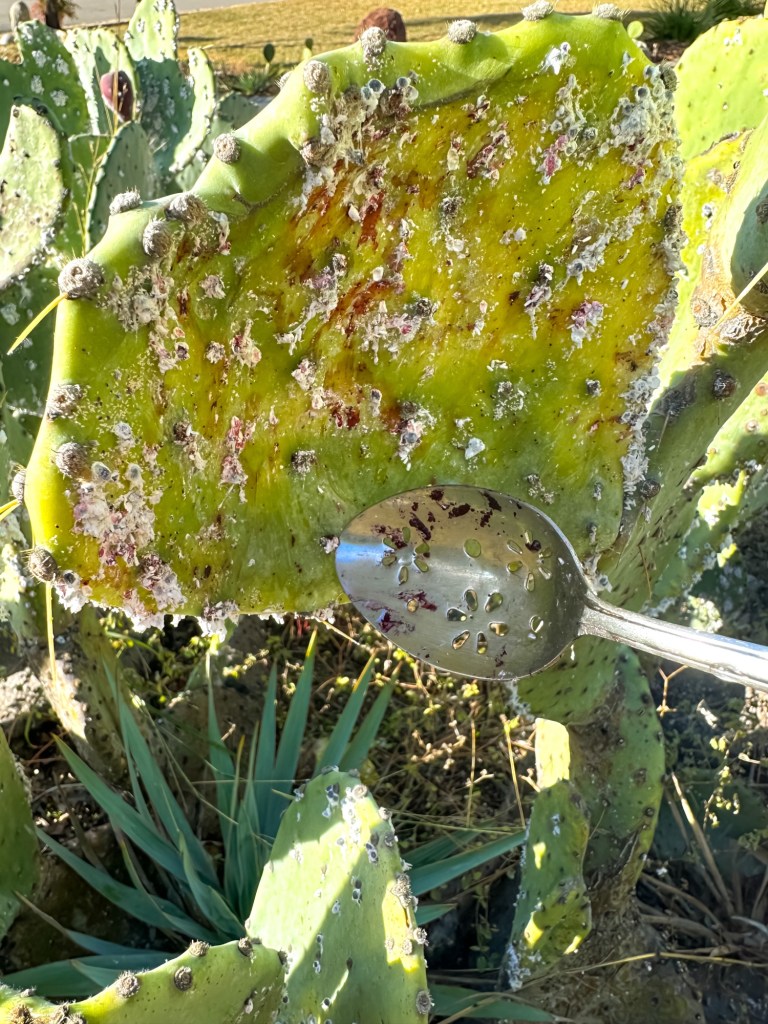
If you have access to a prickly pear cactus, look for white, cottony spots on the pads. Use a soft paintbrush or spoon to gently scrape off the beetles into a container.
2. Prepare the Dye:
Crush the beetles in a mortar and pestle (or a sturdy bowl with the back of a spoon) until you see a bright red pigment.
3. Simmer the Dye:
Add the crushed beetles to a pot of water and bring it to a gentle simmer. Let it steep for about 15-20 minutes, stirring occasionally, until the water turns a deep red.

4. Adjust the Color (Optional):
Experiment with the dye by adding:
• Lemon juice for a brighter red.
• Baking soda for purple or orange hues.
• Vinegar to help set the color.
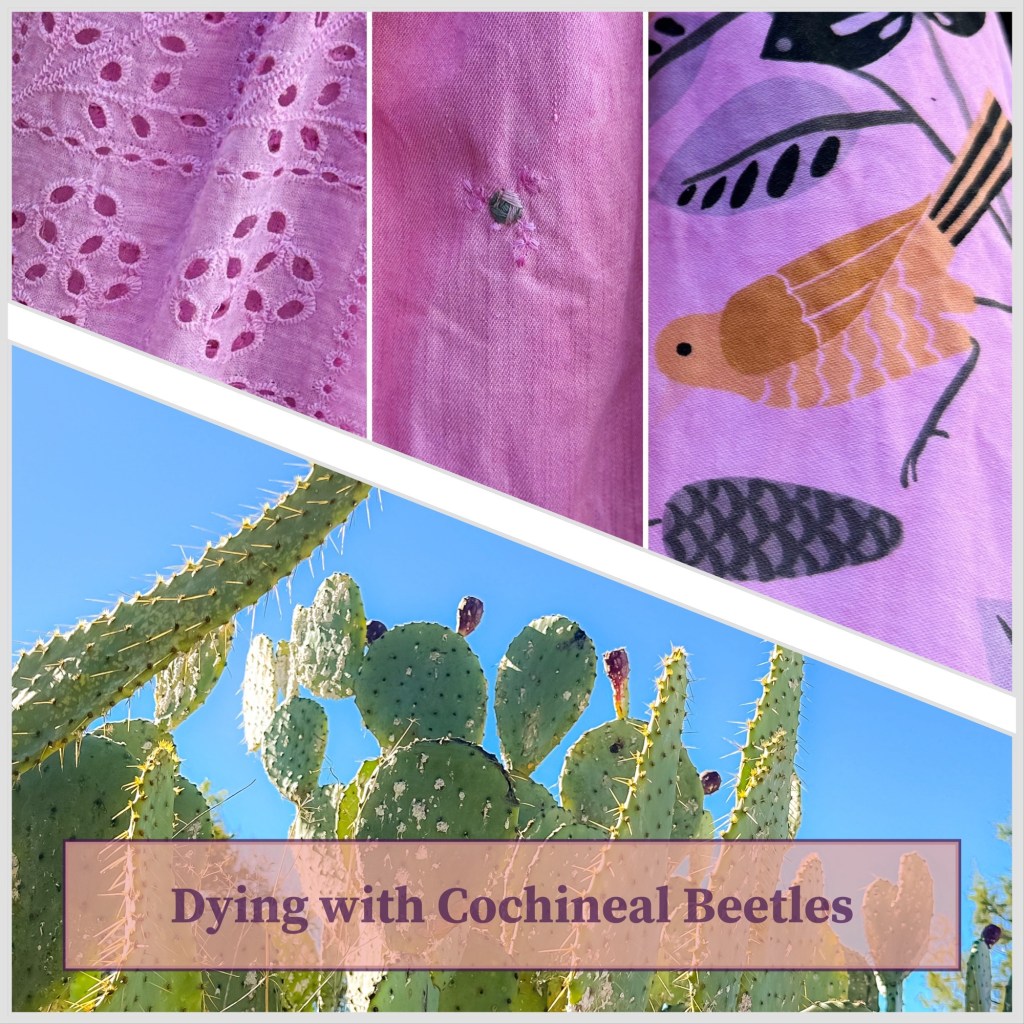
*we made ours fuchsia pink!
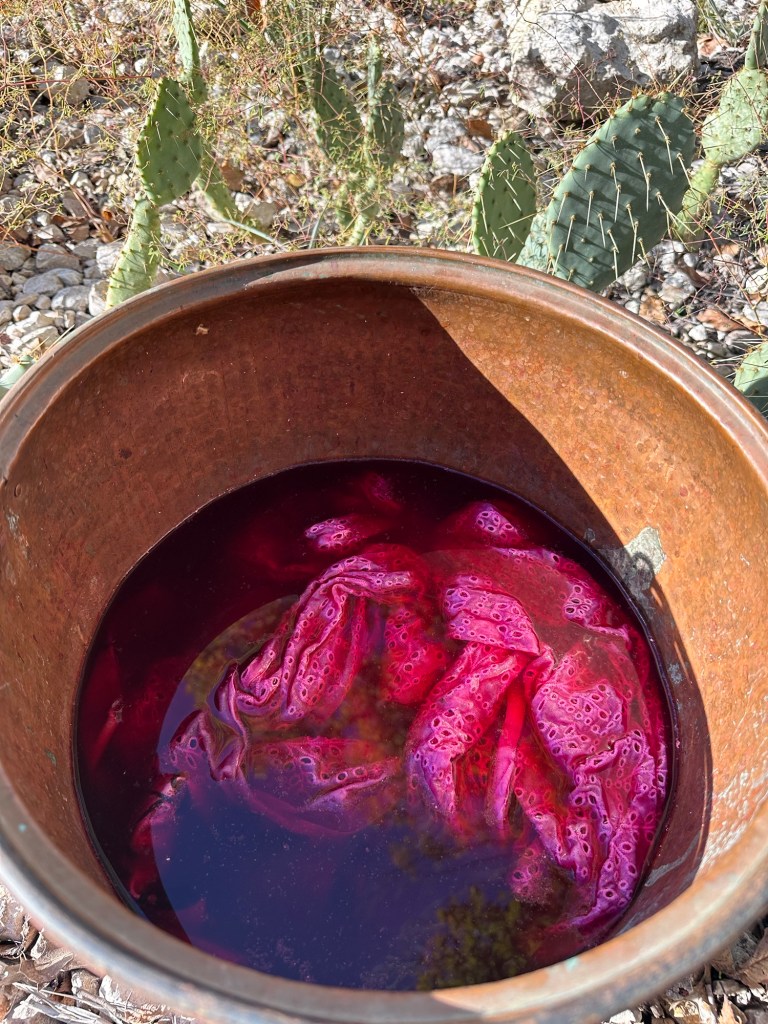
5. Dye Your Fabric:
Pre-wet your cotton or natural fabric to help it absorb the dye evenly. Place it into the pot, making sure it’s fully submerged. Let it simmer for about 30 minutes, stirring occasionally.
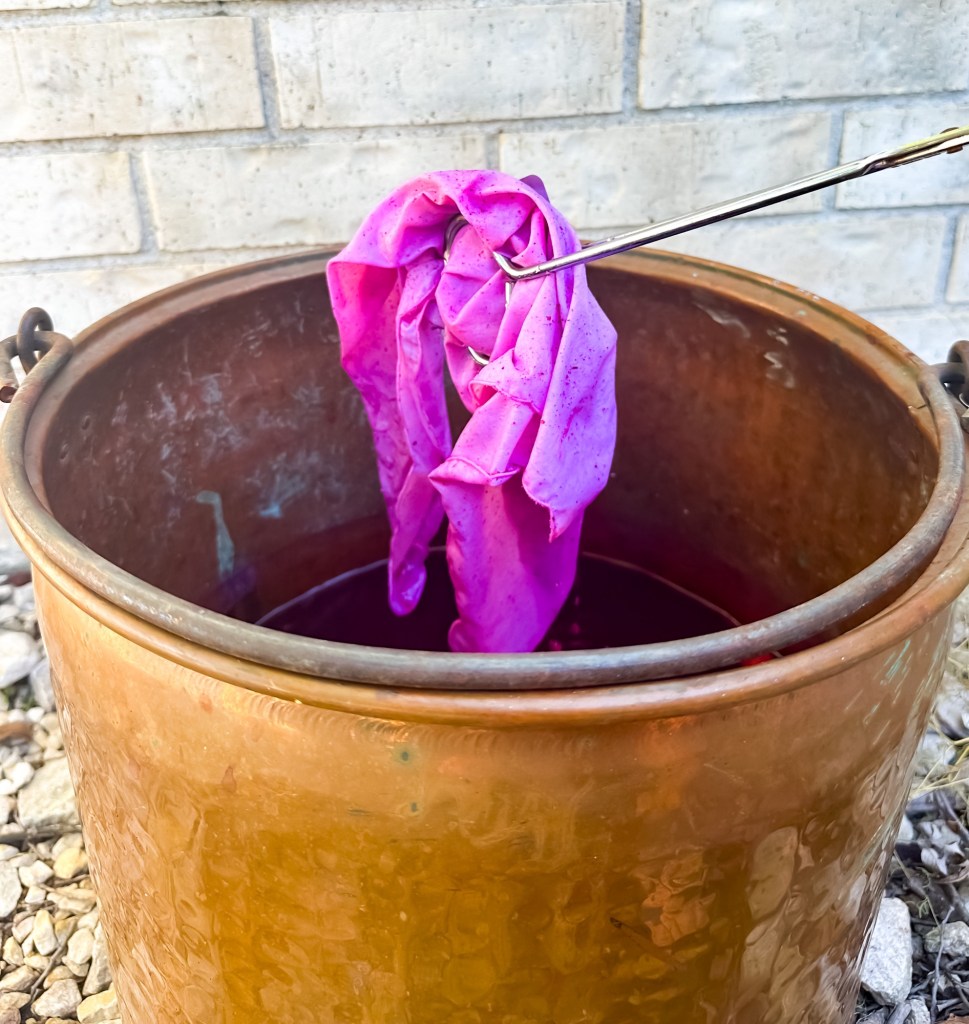
6. Rinse and Dry:
Remove the fabric from the dye and rinse it under cool water until the water runs clear. Hang it up to dry, and admire your beautiful creation!
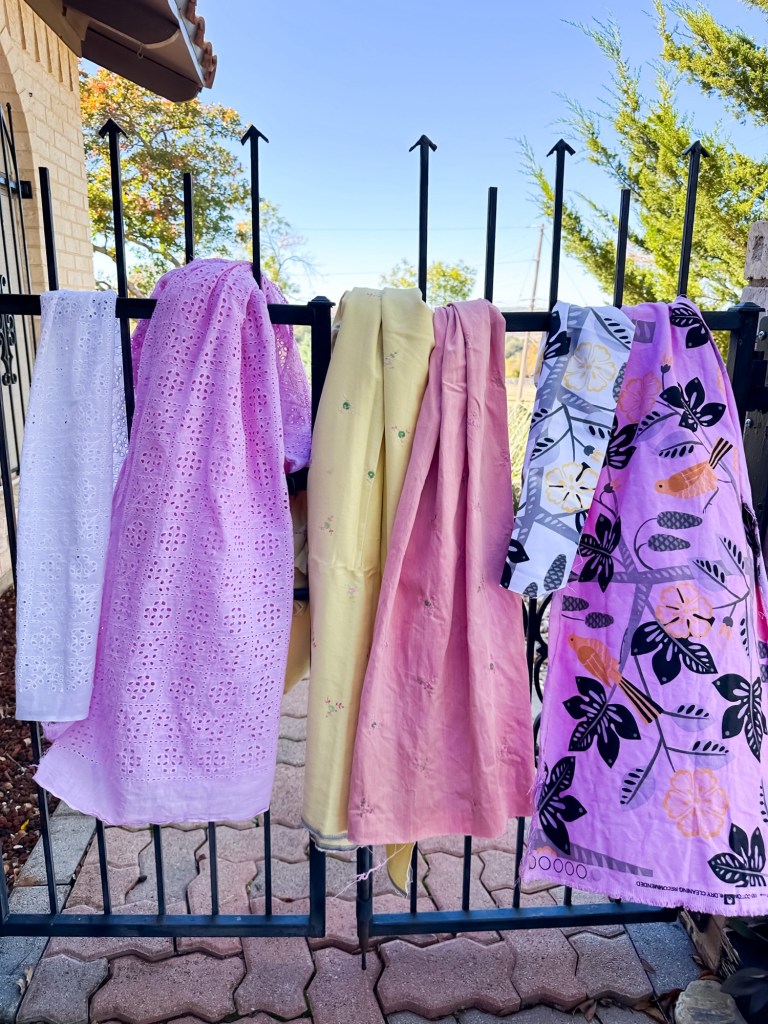

Extend the Learning
• Explore History: Talk about how cochineal dye was used for royal garments, military uniforms, and art.
• Experiment with Colors: What happens if you mix cochineal dye with other natural ingredients like turmeric or onion skins?
• Compare with Synthetic Dyes: Discuss why natural options are safer and better for the environment.
Fun Facts About Cochineal Dye
• Redcoats: The famous bright red uniforms of British soldiers were dyed with cochineal in the 18th century.
• Royal Robes: In Europe, red-dyed garments symbolized wealth and power, as only the richest could afford cochineal.
• Hidden Bugs: If you see “carmine” or “cochineal extract” on a label, it’s this centuries-old beetle dye!
Why Kids Will Love It
This activity isn’t just about making something beautiful—it’s about discovery. Kids will love learning how to spot cochineal beetles, crush them into a bright red pigment, and create something unique. It’s a chance to play with colors, connect with nature, and dive into history—all while making memories together.
Let us know how your project turns out! Share photos of your colorful creations and any fun discoveries you made along the way. Happy dyeing!
The Future of Red Dyes
As we learn more about the impact of synthetic dyes, it’s clear why many parents are opting for natural, safer options. Whether from cochineal beetles or plants like beets and berries, natural dyes connect us to a rich history and provide a sustainable way to add color to our lives.
By choosing natural alternatives, we’re not just protecting our kids’ health—we’re also embracing a tradition that spans centuries, from the royal courts of Europe to the prickly pear cacti of Texas.
 Coast to Country
Leave a comment