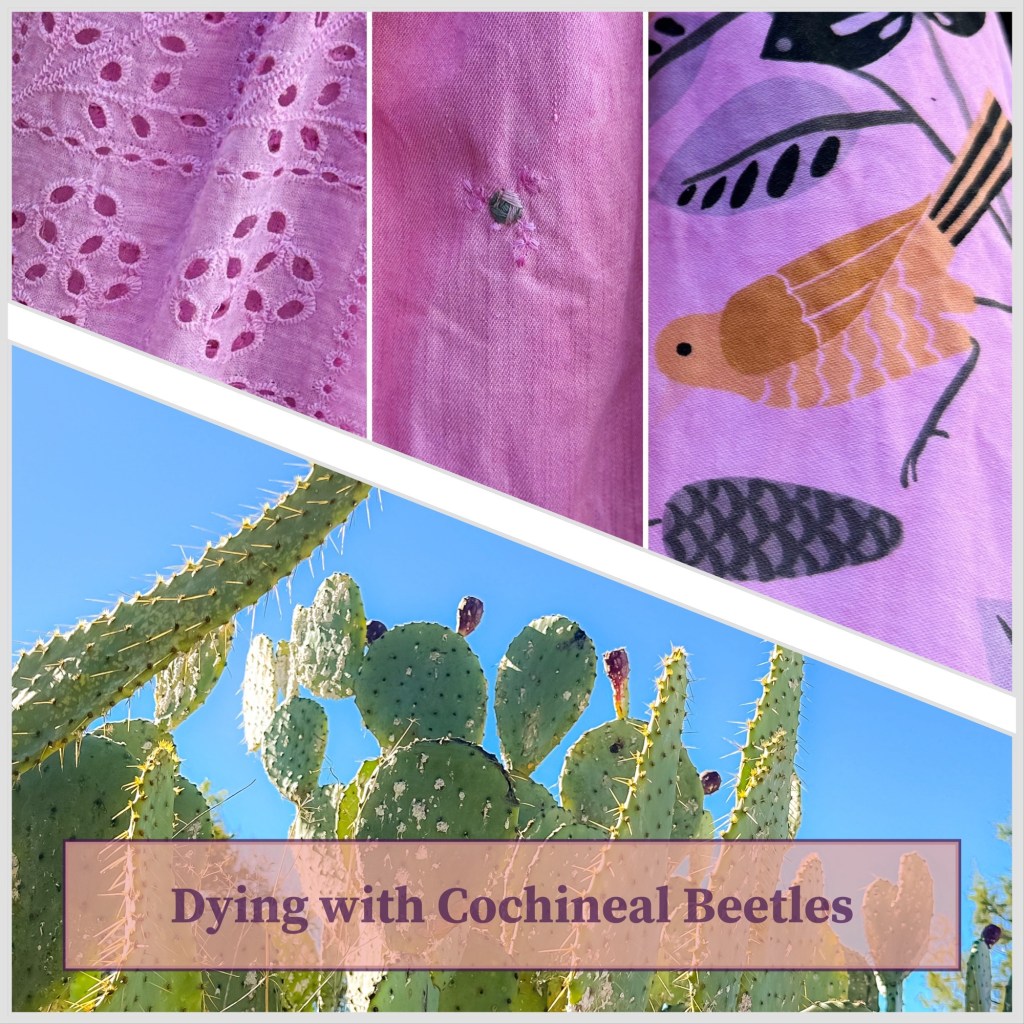
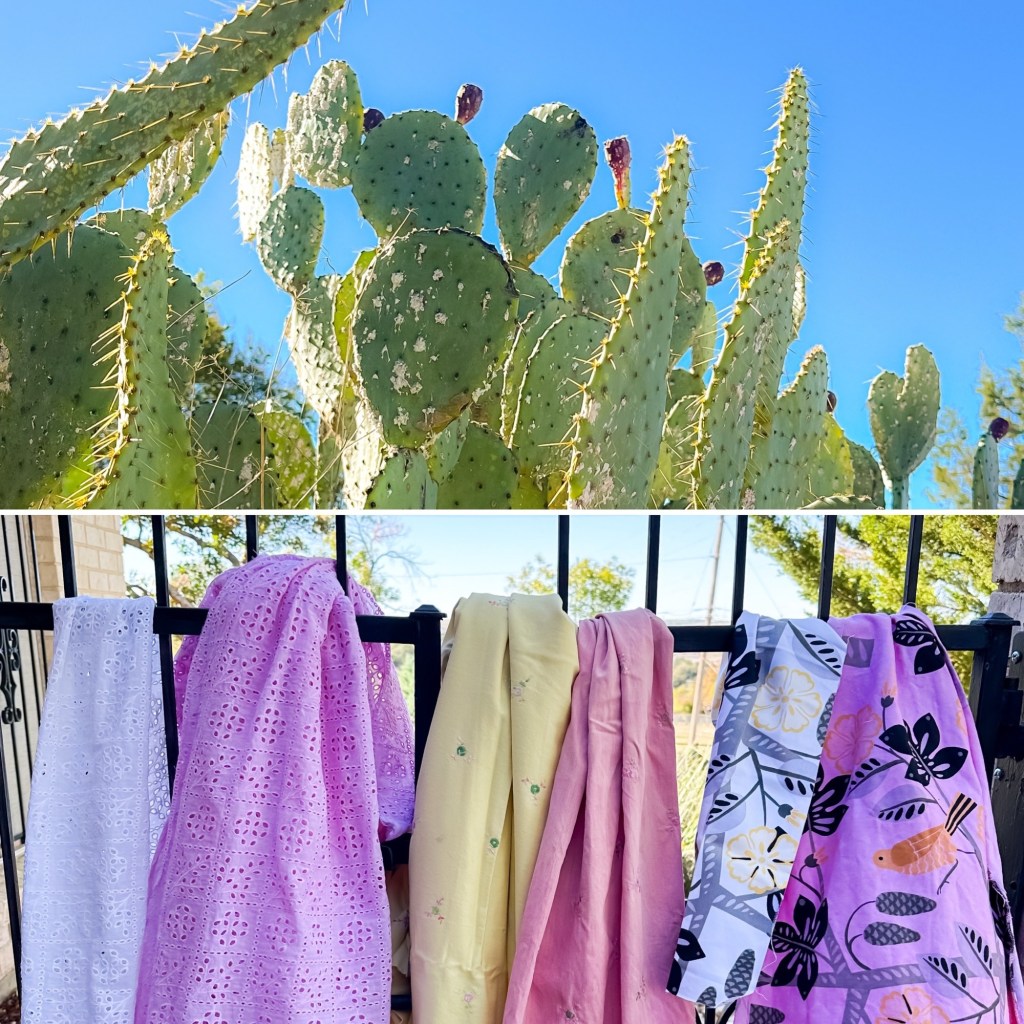
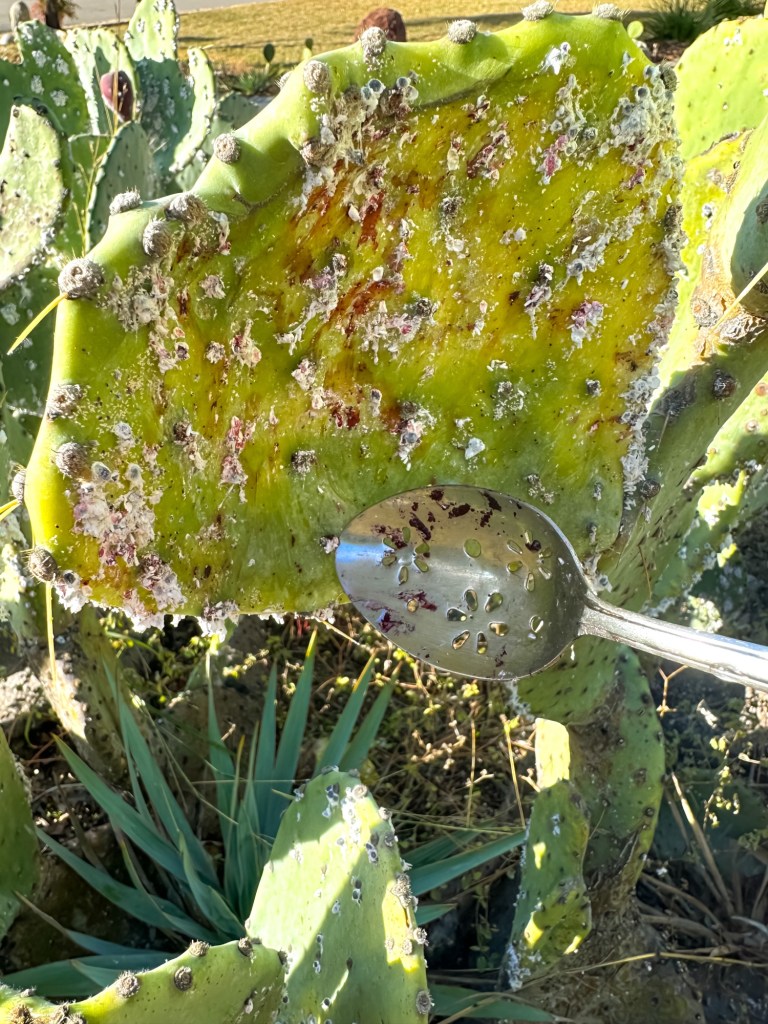
My cactus looked like it was dusted in snow, covered in delicate white patches. A quick search led me to an exciting discovery: these were Cochineal beetles, renowned for their vibrant red dye. Suddenly, the pests turned into an opportunity! As a fashion designer, I always have fabric on hand, ready for creative projects. Finding these beetles felt like fate—an invitation to create with natural color and connect my designs to an ancient, organic tradition of dyeing.
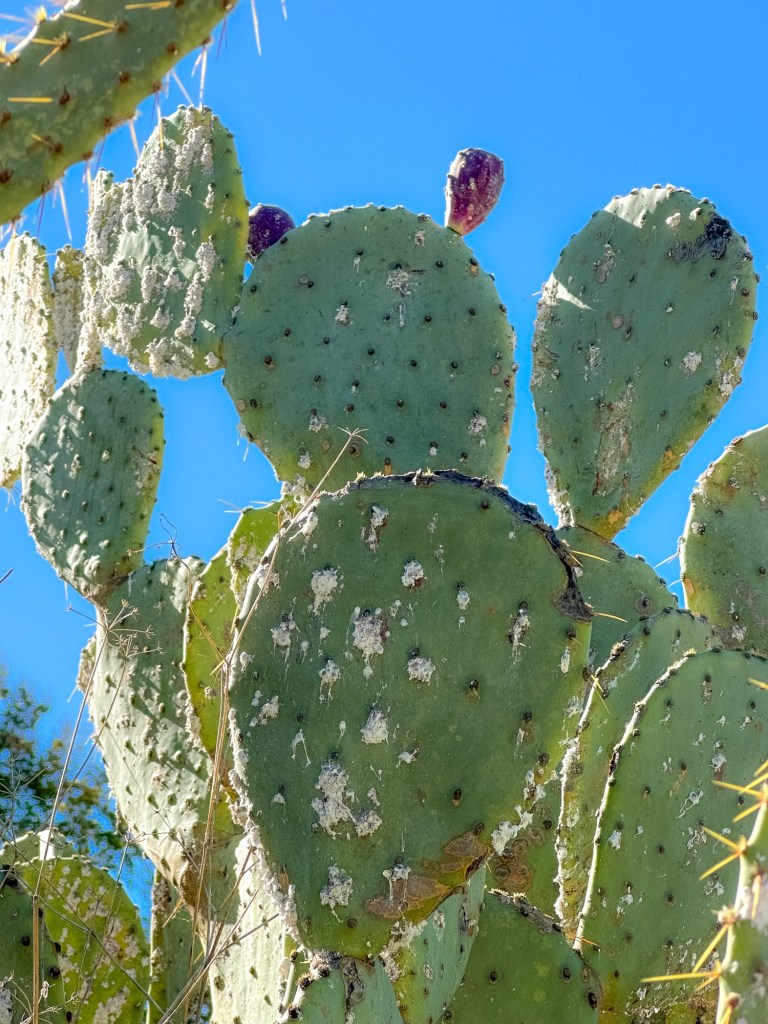
Background: What Are Cochineal Beetles?
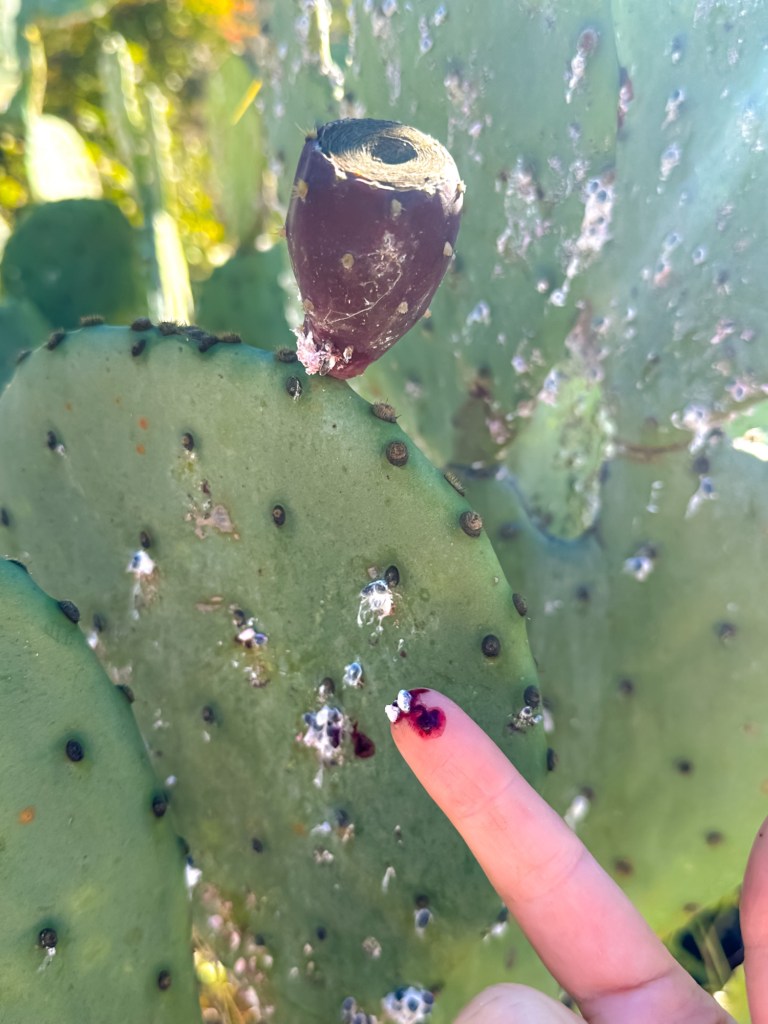
Cochineal beetles (Dactylopius coccus) are tiny insects that feed on cactus plants, particularly prickly pears. To defend against predators, they produce carminic acid, which can be harvested to create a vibrant red dye.
Cultures such as the Aztecs and Maya used Cochineal dye as a luxury item for clothing, tapestries, and ceremonial attire. In the 16th century, Spanish conquistadors brought Cochineal dye to Europe, where it became highly sought after and was used to dye royal and religious garments.

In early America, Cochineal dye played a vital role in crafting iconic symbols and clothing. The rich red pigment was used to dye the original Texas flag, symbolizing strength and courage. Cochineal also famously colored the “Redcoats” worn by British soldiers during the American Revolution, lending a bold hue that became synonymous with British authority and military presence. The dye’s deep, enduring red was prized by European settlers who valued its intensity and longevity. The Southwest’s climate made it ideal for cultivating Cochineal, which allowed Texas and nearby regions to contribute to the dye trade, blending cultural heritage with local resources.
Harvesting Cochineal Beetles from Your Cactus
To start the dye process, you’ll need to collect enough beetles for a dye bath. Here’s how:
1. Scrape Them Off: Use a small brush or scraper to carefully remove the beetles from the cactus without damaging the plant. Be sure to wear gloves to avoid getting dye on your skin.
2. Dry the Beetles: Traditionally, beetles are sun-dried to preserve them for future use, but if you’re dyeing right away, fresh beetles will work just fine.
Preparing the Dye Bath
Once you have your Cochineal beetles, it’s time to create the dye bath:
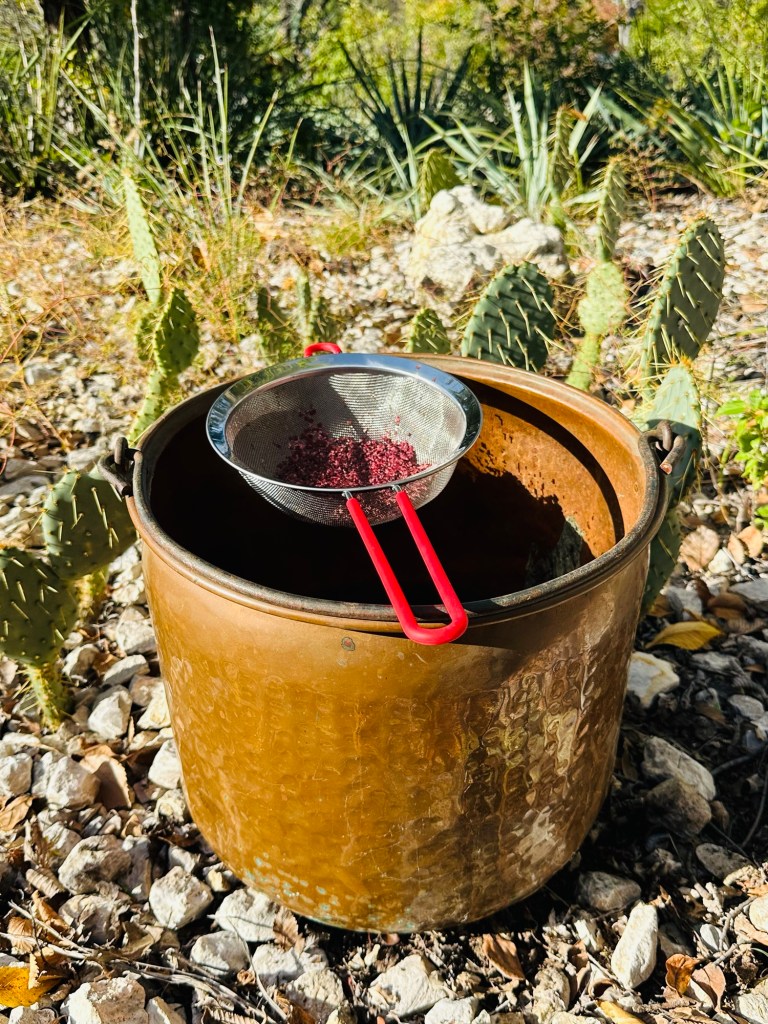
1. Crush the Beetles: Add the beetles to a pot of water and use a pestle or spoon to smush them, releasing the red pigment. The intensity of your color will depend on the quantity of beetles, so aim for around 50-100 for a vivid red hue.
2. Heat the Dye Bath: Bring the pot to a gentle simmer and let it steep for about 30-60 minutes, until the water turns a rich red.

3. Strain: Use a fine mesh strainer or cheese cloth to remove the impurities.
Preparing Your Fabric with Alum
To help the dye bond with the fabric fibers, use a mordant such as alum (potassium aluminum sulfate):
1. Dissolve Alum: Add around 1-2 tablespoons of alum to a pot of hot water. Stir until dissolved.
2. Soak the Fabric: Place the fabric in the alum solution for about an hour, ensuring it’s fully saturated.
3. Rinse: After soaking, rinse the fabric in cool water to remove excess alum before dyeing.
Dyeing Your Fabric
Now, the fun part—transforming your fabric with the Cochineal dye:
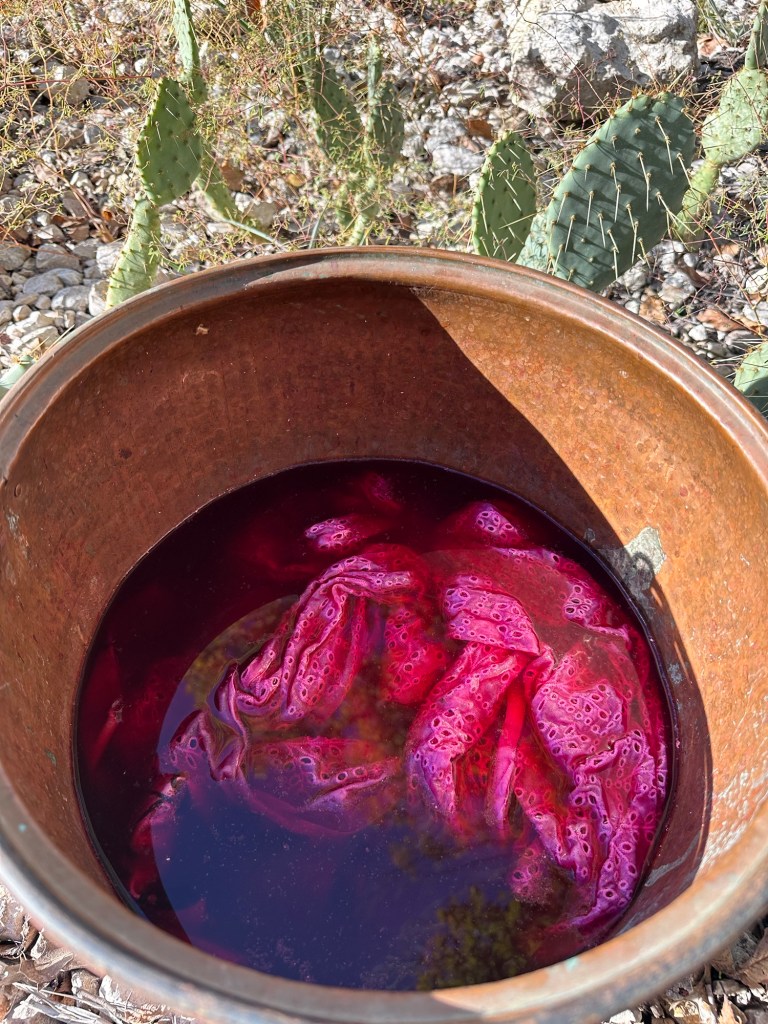
1. Add Fabric to Dye Bath: Place your prepared fabric into the dye bath and let it soak. The longer it remains, the deeper the color will be.
2. Heat Gently: Maintain a gentle simmer for 30-60 minutes, stirring occasionally to ensure even color distribution.
3. Rinse and Dry: Once you achieve your desired color, remove the fabric, rinse it in cool water, and allow it to air dry.
Showcasing My Dyeing Discoveries
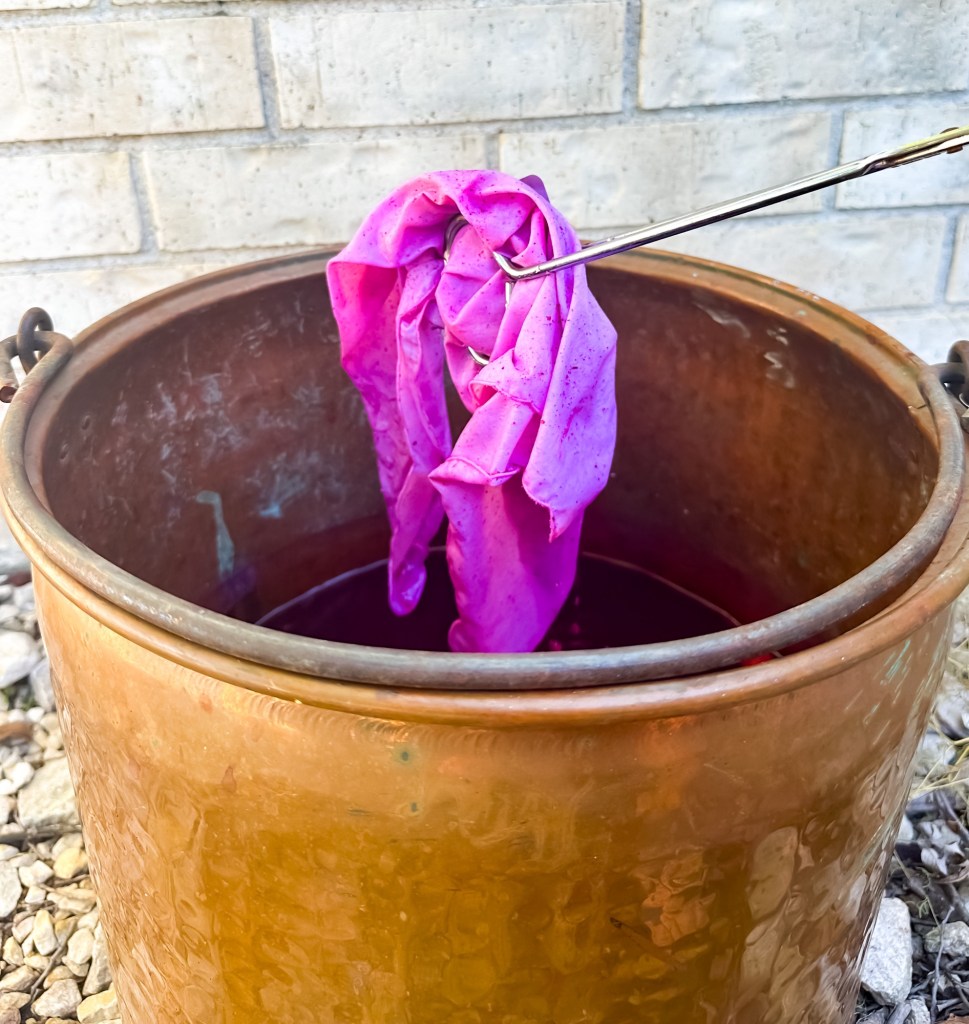
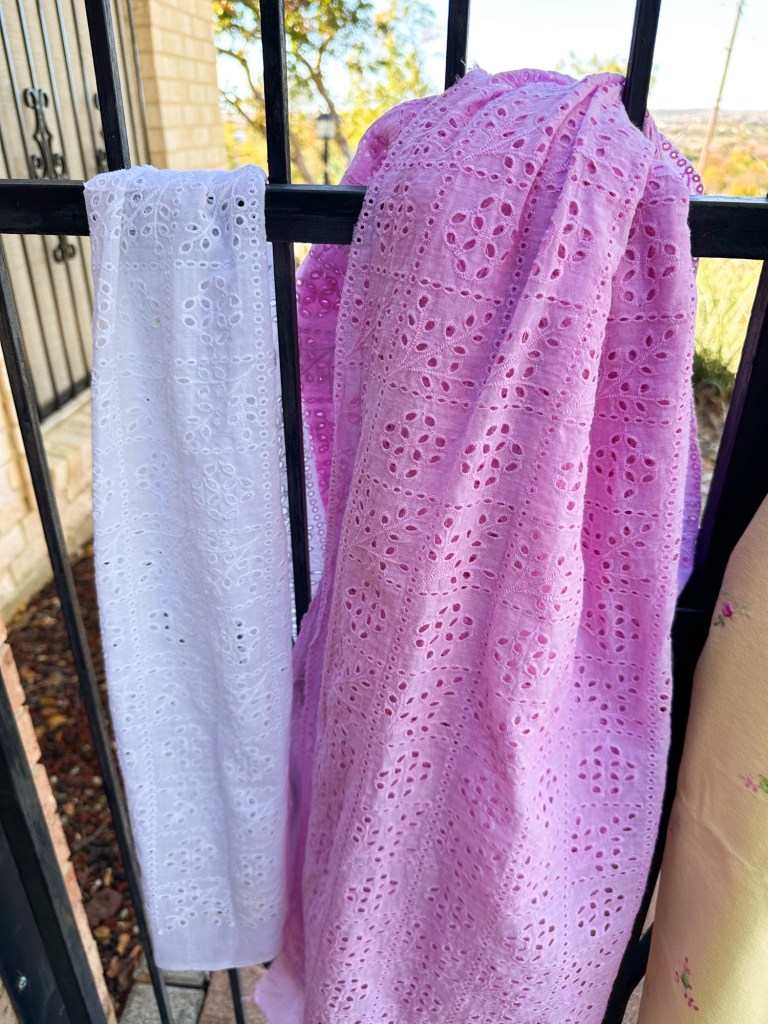
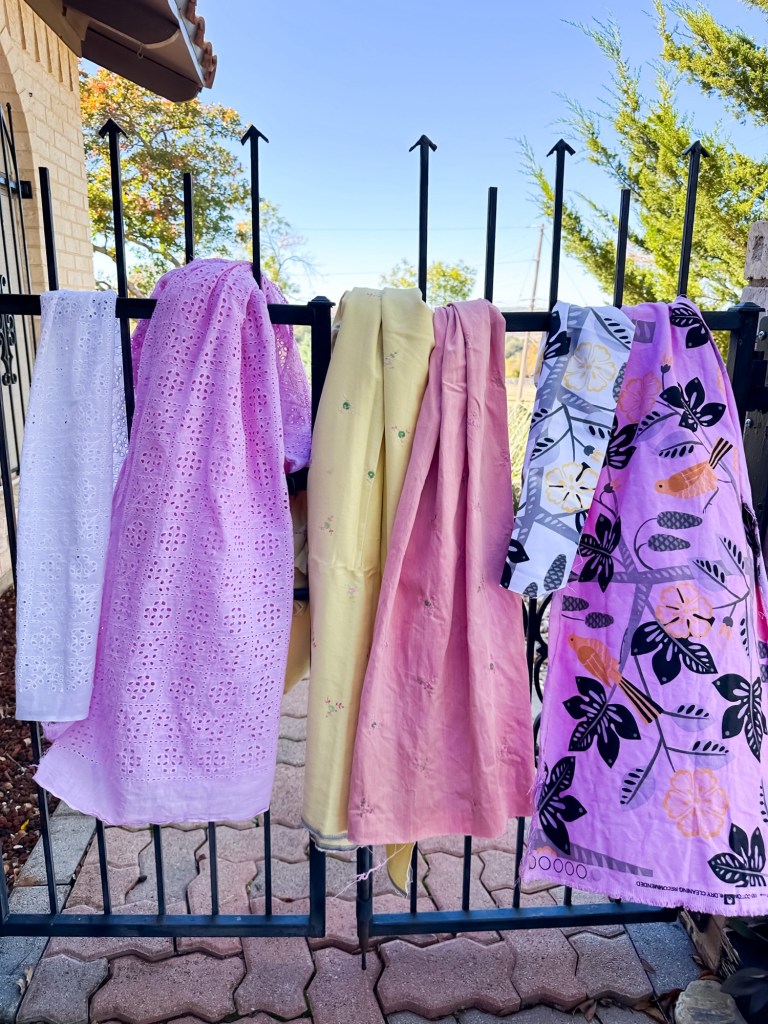
Experimenting with Cochineal dye opened up endless possibilities with my fabric collection. I started with a piece of white cotton fabric, watching it transform into a fun fuchsia.
Curious about the effects on colored and printed materials, I tried overdyeing a yellow fabric and a patterned piece to see how the Cochineal would blend with or alter the original hues.
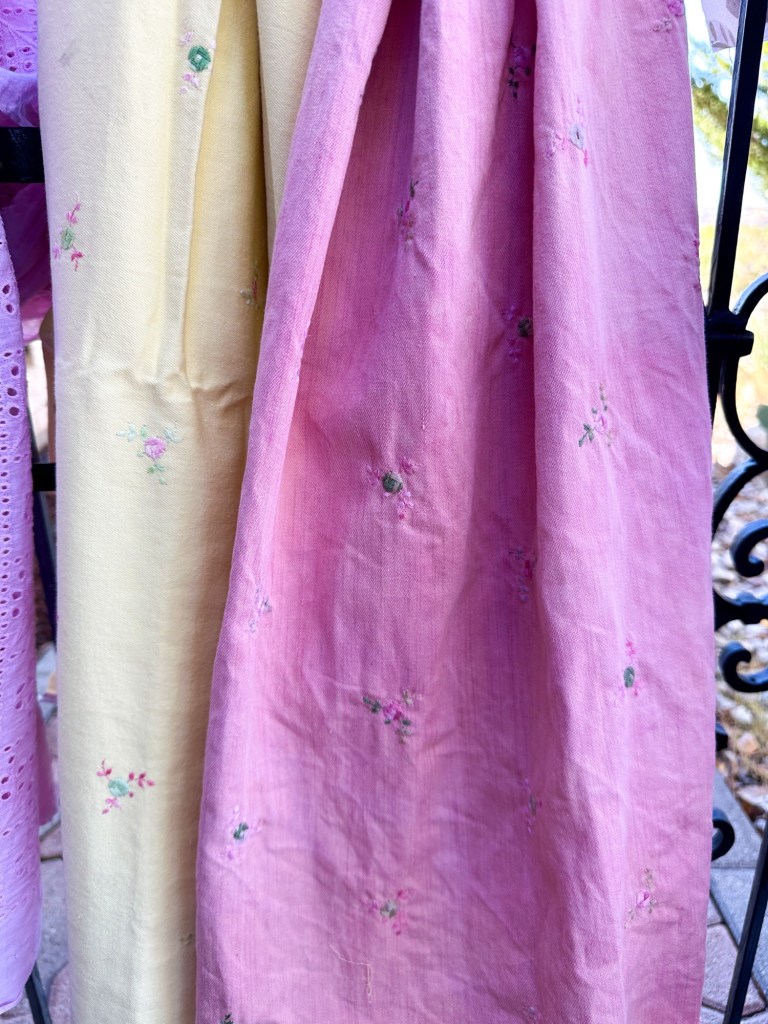
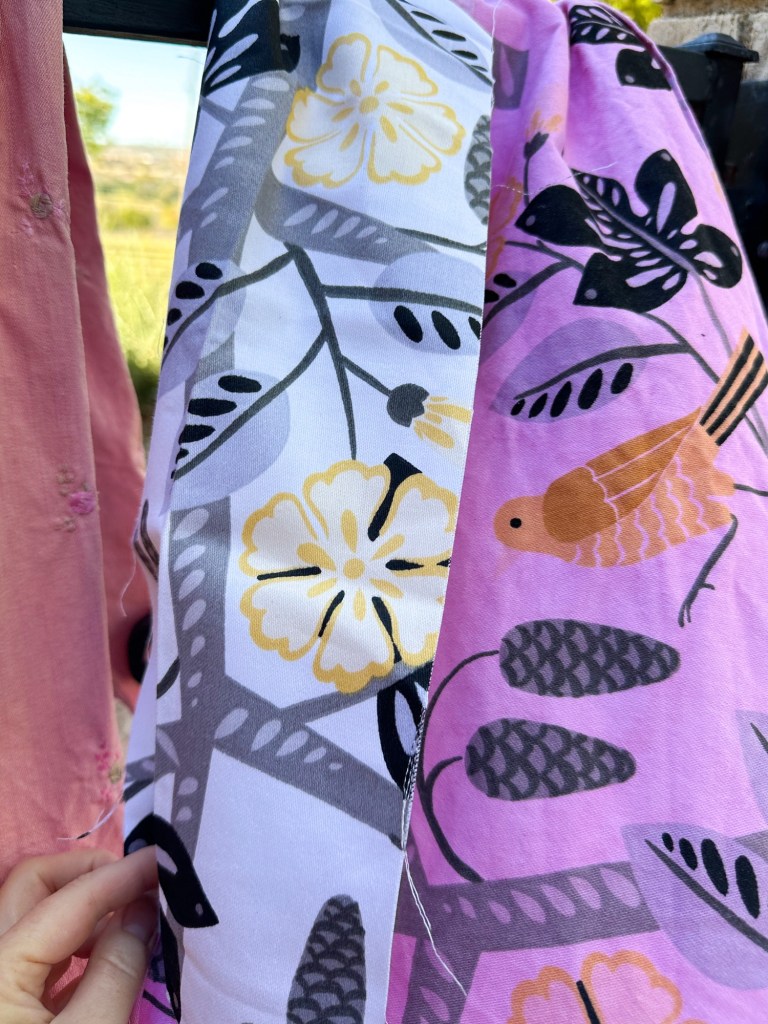
Each item took on its own unique shade, adding depth and character to the fabric while showcasing the beautiful unpredictability of natural dyes. Cochineal dye has a range of potential colors, from deep reds to soft pinks, so adjusting the concentration and time allowed me to create this beautiful shade. The end result was a fun fuchsia that captures the essence of natural dye and gives the fabric a unique, handcrafted feel.
Tips for Success
• Experiment with additional mordants like iron or vinegar to shift the color toward purples or deeper reds.
• Protect Surfaces and Clothing since Cochineal dye can stain anything it touches.
• Store Leftover Dye: You can refrigerate the remaining dye for future projects or use it for multiple dye baths, adjusting the color intensity each time.
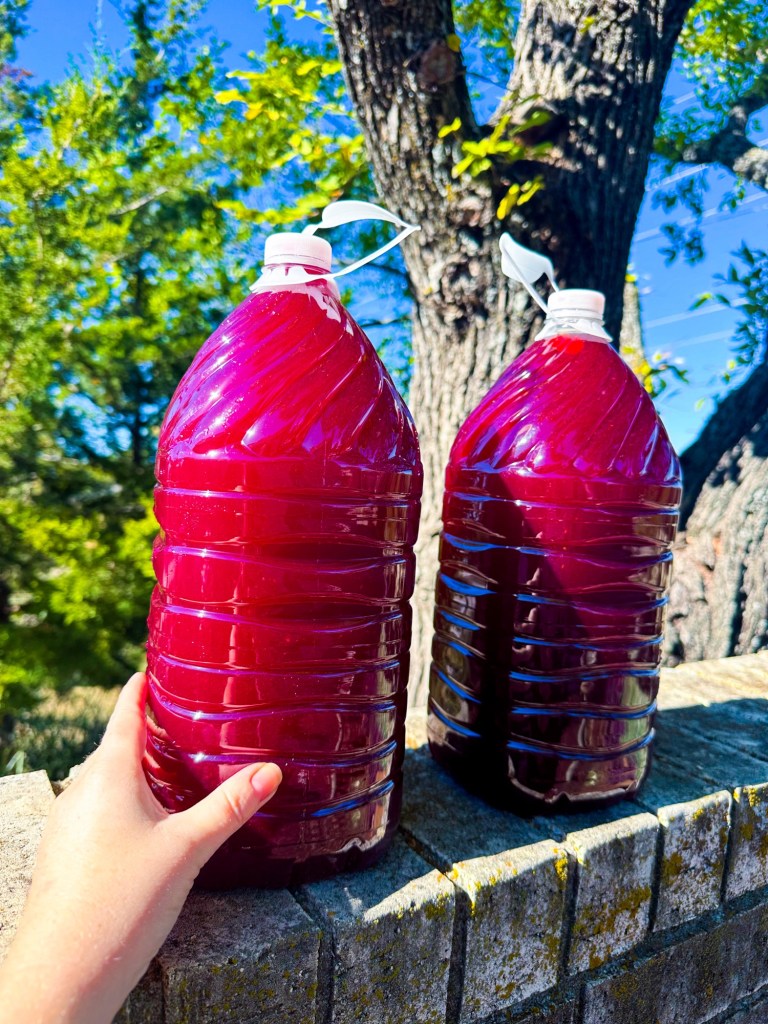
• Prewash Fabric: Make sure to prewash your fabric, as it may have been pretreated. This step is essential, as any residues can impact the final color.
Why Choose Organic Dyes?
Opting for organic dyes, like those from Cochineal, brings several benefits:
• Environmental Impact: Unlike synthetic dyes, organic dyes are biodegradable and don’t release harmful chemicals into water supplies.
• Natural Beauty: Organic dyes produce rich, earthy colors that are difficult to replicate with synthetics.
• Unique Results: Every dye bath is unique, with slight variations in color and intensity based on factors like temperature, mordants, and concentration of the dye.

Dyeing with Cochineal beetles is a rewarding way to create beautiful, organic textiles that honor centuries-old traditions. Enjoy the experience of crafting naturally dyed fabric and marvel at the color variations that only nature can offer.
 Coast to Country
Leave a comment